

Category: INTERNAL – Carousel

Association of Washington Tribes: Leadership, Advocacy and What’s Ahead

For the first time in its history, the Association of Washington Tribes (AWT) has a full-time Executive Director, demonstrating tribal leaders’ commitment to sustained and coordinated representation of tribes in Washington state.

Founded in 1998, the AWT has long served as a forum for tribes to advocate for tribal sovereignty and treaty rights. The organization advances the principles of the Centennial Accord, which established a formal government-to-government relationship between the State of Washington and federally recognized tribes.

AWT’s Executive Director is Patrick DePoe, a Makah tribal member with deep experience in tribal and state government. He previously served on the executive team at the Washington State Department of Natural Resources and spent six years as an elected member of the Makah Tribal Council, where he led tribal coordination with state and federal agencies on climate resilience and habitat restoration.
In his new role, DePoe is focused on strengthening relationships between tribes and state leaders and creating opportunities for meaningful engagement around key issues.

“I’m focused on making conversations happen,” explains DePoe.
That approach was evident last December, when nearly 200 people attended a two-day AWT meeting that brought together tribal leaders, Washington state legislators, department directors, and many others to discuss tribal perspectives on priority areas, including natural resources, healthcare, social services and the state’s budget.

DePoe credits the strong turnout in large part to tribal leaders, particularly AWT Chair and Lummi Nation Tribal Chair, Tony Hillaire.

“Chairman Hillaire does an excellent job of speaking with tribal leaders across the state about the importance of tribes coming together,” says DePoe.

He is equally appreciative of AWT Vice Chair and Chair of the Tulalip Tribes, Teri Gobin.

“I am incredibly grateful to the Tulalip Tribes for hosting the AWT meeting for tribal leaders and legislators and to Chair Gobin for giving so much to support AWT’s next chapter,” he says.

The next AWT meeting will take place during the Affiliated Tribes of Northwest Indians Winter Convention in early February. DePoe also plans to convene another AWT meeting later this year and facilitate smaller discussions between tribal leaders and state elected officials.

Despite ongoing challenges, including state budget shortfalls and the federal government’s trust responsibilities, DePoe remains optimistic.
“Every one of our tribal nations has power, he says. “When we come together, there’s so much we can accomplish.”

Strong Tribal Economies Benefit All of Washington

An economic impact study released this week shows that Washington’s 29 federally recognized tribes generated more than $7.4 billion in gross state product in 2023 alone—up from $6.6 billion in 2020.

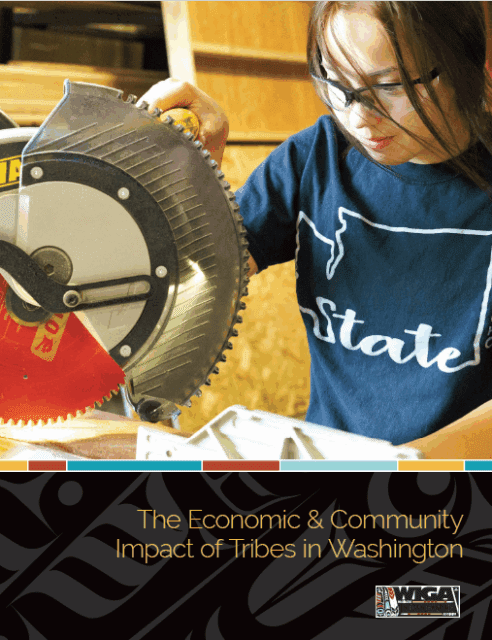
Commissioned by the Washington Indian Gaming Association (WIGA) and authored by economists Amy Besaw Medford and Jonathan B. Taylor, The Economic & Community Benefits of Tribes in Washington explains how tribal economies—supported by gaming and a growing and diverse range of businesses—are investing in essential services, creating jobs and supporting families and communities across the state.

“We’re witnessing a remarkable transformation in Indian Country,” said Jonathan Taylor, co-author of the report. “Tribes in Washington have gone from having very few jobs on reservations to being leading employers. Today, tribes together are the state’s 8th largest employer.”

Key Tribal Economic Impacts:

  • $3.9 billion in wages and benefits
  • $1.5 billion in state and local taxes
  • 52,000+ jobs supported statewide—most held by non-Indian employees

This growth is having a powerful impact on the quality of life in the state. Since 1990, the real income of American Indians on reservations in Washington has grown by 59%, college degrees have doubled, and family poverty has dropped by 46%. But significant challenges remain: Native households still face poverty at four times the statewide average.

“While I’m proud of Washington tribes’ success, we have a long way to go,” said Ron Allen, Chairman of the Jamestown S’Klallam Tribe, who also chairs WIGA. “It’s important for the public to understand the impact tribal revenues have on our communities. These flexible revenues are a critical tool for our self-reliance.”

As tribes continue to drive economic growth and social progress, Washingtonians across the state stand to benefit for generations to come.

7 Frequently Asked Questions About Tribal Sovereignty

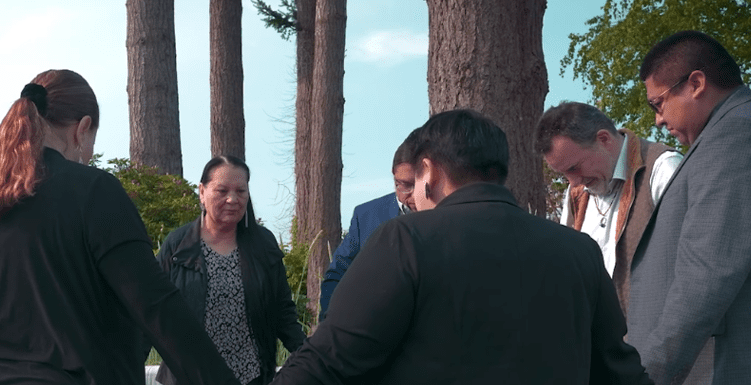
tribal leaders holding hands in a circle with heads bowed, praying

Tribal sovereignty—you’ve probably heard the term, but what exactly does it mean?

In this FAQ, we draw from conversations with tribal leaders and other resources to define and understand the importance of sovereignty, treaties and trust responsibility.

1. What does tribal sovereignty mean?

Sovereignty is the authority of a nation to make its laws and be governed by them. As self-governing nations, tribes establish and operate under their own governmental systems, create their own laws, set citizenship criteria and operate law enforcement and judicial systems.

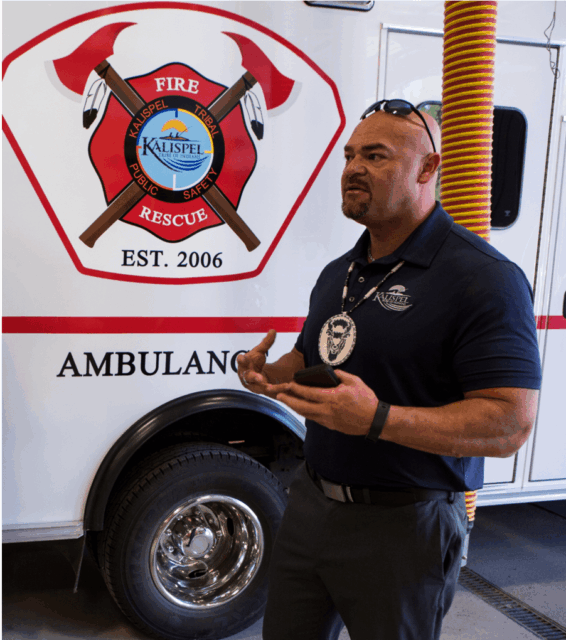
Tribal chairman Curt Holmes standing next to an ambulance with a Kalispel Tribal logo on it

Kalispel Tribe of Indians Vice Chairman Curt Holmes stands next to a Kalispel Tribal Public Safety Vehicle

2. How do tribal governments operate?

Like city, county, or state governments, tribal governments have elected officials who create and enforce laws. Tribal governments have departments that offer critical services like health care, education, infrastructure and economic development; steward tribal lands, natural resources and the environment; and maintain relationships with local, state, federal and other tribal governments.

Many tribal governments in Washington operate business enterprises ranging from casinos and hotels to construction and agriculture. These businesses generate revenue to pay for essential government services since tribes do not have the same tax resource source as other governments.

3. Did treaties grant tribes their sovereignty?

The notion that treaties granted Native Americans special rights is false. Tribes have always been sovereign nations. In fact, tribal governments are the oldest sovereign governments in North America. Long before Europeans arrived, the Western Hemisphere was highly populated with Native nations that engaged in trade and diplomacy and made agreements with one another. Indian treaties have the same status as treaties between foreign nations and take precedence over any conflicting state law.

4. Why did tribes sign treaties?

When non-Indian settlers came to the continent, they sought to take possession of the land that tribes had existed on since time immemorial. After years of fighting against occupation, many tribes in Washington and across the country signed treaties with the U.S. to protect their people and preserve their way of life. By signing these treaties, tribal nations gave up their traditional territories—land they had existed on since time immemorial—in exchange for a smaller piece of land, off-reservation fishing and hunting rights, and a legal obligation by the federal government to protect treaty rights, lands, assets, and resources, and insure the survival of Indian tribes. This obligation is known as a trust responsibility.

5. Are treaties still relevant today?

Yes. Treaties between tribes and the federal government are part of the U.S. Constitution, which recognizes that once a treaty is signed and ratified by the Senate, it becomes “the supreme law of the land”.

6. Has the U.S. always honored Indian treaties?

Historically, the federal government has failed to honor its treaties and fulfill its trust responsibilities with tribes. The 1800s marked the beginning of one and a half centuries of policies aimed at erasing indigenous people. They relocated tribes onto less valuable land, broke reservations into allotments, forced children into residential schools, and tried to wipe out tribal languages and traditions. These policies resulted in a significant decline in quality of life that, despite some improvement over the last three decades, persists today.

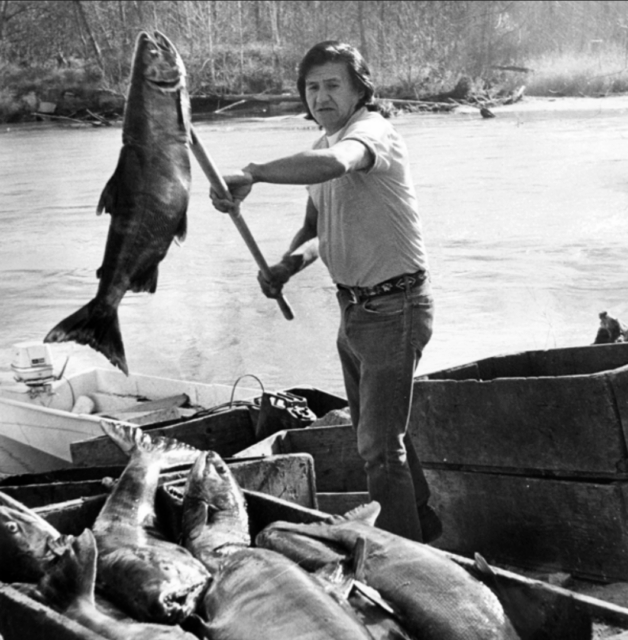
Man loading salmon into a crate on the bank of a river.

Billy Frank Jr., Nisqually tribal member and advocate for Indian treaty rights, led the tribal “fish wars” the 1960s and 1970s. His activism paved the way for the Boldt decision.

In the latter half of the 20th century, tribes began fighting back and reestablishing their standing as sovereign governments. Since the 1970s, tribes’ inherent powers of self-governance have been affirmed many times by Supreme Court decisions, presidential orders, and laws enacted by Congress.

The 1974 Boldt Decision, which recognized tribes’ right to fish on ancestral lands, was the beginning of a court mandate to the federal government to honor its treaty obligations. In 1987, the Supreme Court confirmed the sovereignty of tribal governments to establish and regulate gaming operations independent of state regulation. In Washington, tribal government gaming has become a lifeline for tribal economies. Today, tribal governments use revenue from gaming and other tribal enterprises to fund critical government services and improve lives across the state.

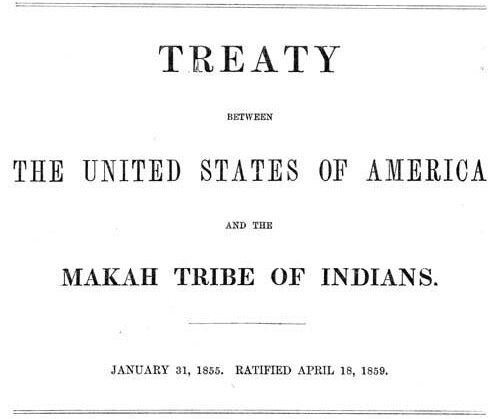
Scan of historical document that reads Treaty between the Uinted States of America and the Makah Tribe of Indians. January 31, 1855. Ratified April 18, 1859.

Photo credit: University of Washington Digital Collections.

7. Why is sovereignty so important to tribes?

Tribal self-determination, self-government and self-reliance change Indian lives for the better. Prior policies isolated Native people, stripped them of culture and language and restricted tribal revenue collection. Self-governance, however, puts decision-making in the right hands and results in business success, enhanced healthcare, better housing, more effective law enforcement, improved natural resource management and more.


Want to learn more? Check out the following resources:

Responsible Gaming Is a Top Priority for Washington Tribes

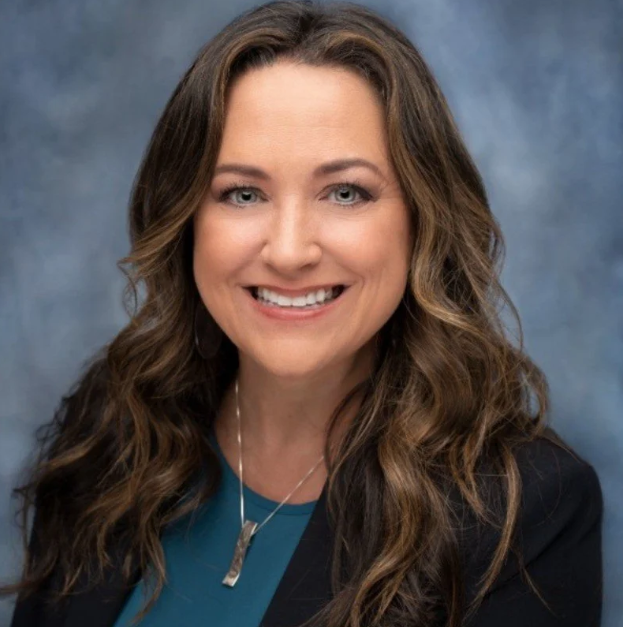
Excerpted from an op-ed by Rebecca George, Executive Director of the Washington Indian Gaming Association, first published in Tribal Gaming and Hospitality Magazine.

Rebecca George HeadshotSeptember is Responsible Gaming Month, a reminder that gaming should be a form of entertainment, not a source of harm. In Washington state, tribes are leaders in promoting responsible gaming, working year-round through policy, education, prevention and treatment.
For more than three decades, tribal government gaming has helped Washington tribes regain our self-reliance, create opportunities and lift people out of poverty. It has also helped make tribes vital contributors to the state’s economy.

The success of tribal gaming is rooted in careful regulation, established through decades of thoughtful negotiation and collaboration between tribal governments, the state and federal authorities. The result is a system that rightly allows responsible adults access to enjoy gaming and other entertainment opportunities at well-run and monitored tribal casinos, while also ensuring there are clear safeguards and support in place for people who may be at risk of problem gambling.

Gambling addiction is a real, serious behavioral health concern, and it’s risks are growing nationwide with the expansion of unrestricted, illegal online gaming available 24/7 on smartphones. To make matters worse, seeking help for addiction is too often stigmatized, undermining treatment and recovery.

Despite these challenges, Washington tribes have made meaningful progress. Their approach to minimize and treat problem gambling emphasizes positive, culturally relevant messaging; year-round outreach; expanded provider training; and better integration of problem gambling awareness into behavioral health systems. For tribes, responsible gaming is not just a casino issue – it’s a community health priority.

Every year, the Washington Indian Gaming Association (a trade association of 23 gaming tribes in Washington state) works with tribes on multiple fronts to proactively address problem gambling, contributing more than $2 million to education, prevention, treatment and wellness programs. Tribes also tackle problem gambling through self-help programs, awareness-building campaigns, casino self-exclusions and ban requests.

Equally important, tribes in Washington champion culturally tailored programs to produce the best possible outcomes. Options range from culturally appropriate marketing and outreach programs to treatment programs, aftercare, group therapy, family support and other interventions. Some tribes focus their limited resources on serving their citizens. Others, with the means to do so, open programs up to tribal and non-tribal members, alike.

WIGA tribes also work together to fund an annual statewide public education campaign that directs people to WATribesCare.org so that those affected by problem gambling know where to turn for help. That campaign is being refreshed and will launch in early 2025.

Addressing addiction is an ongoing effort and tribes in Washington are committed to continual learning and refining their efforts to prevent and treat problem gambling. It’s something we put enormous thought and effort into, and will continue to do so. But we can’t do it alone. Progress requires collaboration with state leaders, health systems, and the public to support prevention, treatment, and responsible play.

While problem gambling affects a relatively small proportion of the population, its consequences can be devastating for individuals and their loved ones. But working together in a committed and sustained way, we can provide help and hope.

4 Ways Washington Tribes are Protecting the Environment and Natural Resources

Taking care of the environment has always been important to Native people. Since time immemorial, tribes in Washington have depended on the land and sea for valuable cultural and natural resources. That’s one reason tribes are deeply committed to investing in smart resource management and environmental protection. Throughout the state, tribal governments are leading the way in restoring ecosystems, sustainably managing resources and facing the challenges of a changing climate. Here are a few examples of the work tribes are doing to restore and protect important cultural and natural resources for future generations.

Lower Elwha Klallam Tribe: Bringing Back Eelgrass
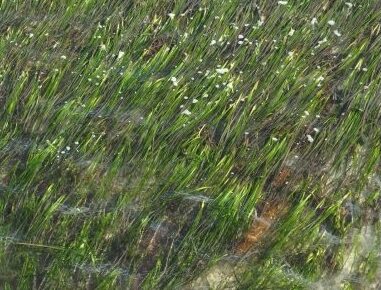
Eelgrass plays a crucial role in marine ecosystems. It helps clean the water, provides habitat for fish, produces oxygen and protects coastlines. Healthy eelgrass beds also support salmon, crab and other natural and cultural resources. The Lower Elwha Klallam Tribe is replanting eelgrass in areas where it has declined due to pollution, development and other human activities. Through careful monitoring and adaptive management, the Tribe is restoring these essential underwater habitats and supporting a healthy marine environment.

Swinomish Tribe: Building Clam Gardens
The Swinomish Indian Tribal Community recently revived an indigenous practice that is 3,500 years old—building clam gardens to enhance shellfish production! Clam gardens are created by constructing knee-high rock walls where the ocean meets the land between high and low tides. This extends the gently sloping habitat where clams and other shellfish thrive. By rebuilding these traditional structures, the Tribe is increasing food security, fostering biodiversity and helping counteract ocean acidification caused by climate change.

Colville Tribe: Managing Wildfires
The Confederated Tribes of the Colville Reservation have developed a comprehensive strategy to manage wildfires and protect forests and communities from this increasing threat. Their approach includes controlled burns, forest thinning and community education programs. By reducing the amount of fuel and creating firebreaks, the Colville Tribe is reducing the risk of catastrophic wildfires and promoting healthy forests. Their proactive measures also involve collaboration with federal and state agencies to ensure a coordinated and effective response to the threat of wildfires.

Shoalwater Bay Tribe: Fighting Invasive Green Crabs
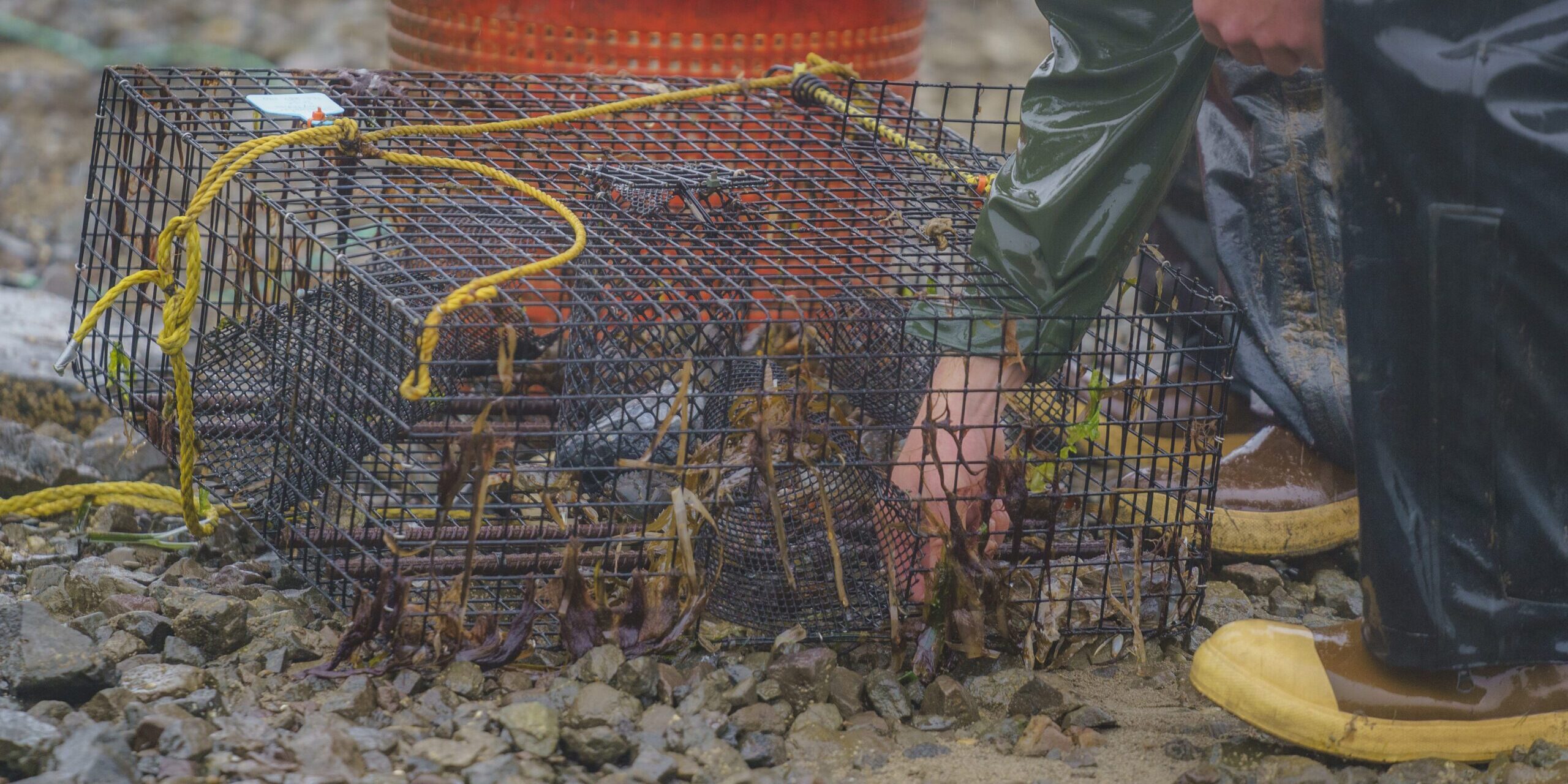
Green crabs, originally from Europe and northern Africa, are an invasive species in North America. They aggressively compete with native species, prey on juvenile clams and oysters, and disrupt eelgrass beds. The Shoalwater Bay Tribe is combating invasive green crabs near Tokeland, Washington by trapping and removing thousands of them each month. This effort, along with the work of other agencies and tribes, including the Lummi Nation and the Makah Tribe, is crucial for protecting coastal ecosystems and the livelihoods that depend on them.

Of course, there are many more ways tribes are protecting and restoring important cultural and natural resources for future generations. If there’s a project you’d like us to feature in a future newsletter, let us know at info@washingtontribes.org.


“It makes such a big difference”: Attorney Amber Penn Roco reflects on receiving the WIGA Scholarship

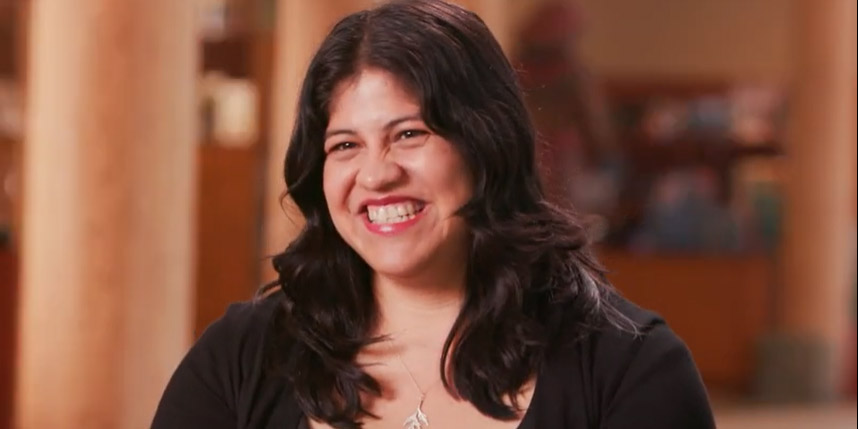
Amber Penn-Roco is an attorney, mother of two, a member of the Chehalis Tribe and former Washington Indian Gaming Association (WIGA) Scholarship Recipient. In a recent interview, we asked her about her career and education, and what it means to be a WIGA Scholarship Recipient.

Q: Please tell us about your work.
A: I am a partner at Galanda Broadman, an indigenous rights law firm. I specialize in environmental protection and the preservation of cultural and natural resources. Being an attorney is a challenging career, and I find that the best way to navigate it is by finding work you are passionate about. My entire life, I knew I wanted to work on behalf of the Indigenous people, in order to give back to the communities that have given me so much. I think that the Tribes and Indigenous communities that I represent appreciate having an advocate who looks like them, who understands their communities, who understands the intricacies of what it is like to live on a reservation, to be a part of a Tribe, and to constantly fight for recognition as a government.

Q: Did you always know you would go to college and become an attorney?
A: My mom was a schoolteacher. She was the first in her family to receive a college education. She emphasized, from a very early age, that a good education was the key to success. She was a single mom with eight kids, and money was a constant struggle for our family. She did her absolute best, but, after my dad left, we ended up homeless for a time. I knew from a very early age that I wanted to go to college and pursue academic success so that I could help out my family, financially, and to make sure that my own family did not suffer the same kind of troubles.

By high school, I knew I wanted to go to law school and become an attorney. With that as my goal, the primary issue, was, practically, how to make it happen. College is expensive. When you consider trying to fund an additional three years of law school, after four years of college, the investment required felt nearly insurmountable, it was incredibly difficult to figure out a way to make it work. My Tribe tried, my family tried, I tried—and we simply did not have enough money to fund it ourselves. I was determined, I applied for every scholarship I could find. Throughout my seven-year academic career, spanning three different colleges, my education simply would not have been possible without scholarships. I would not be an attorney without the generosity of others.

Q: What role did the WIGA Scholarship play in your educational journey?
A: I received the WIGA scholarship at the perfect time. In my third year of law school, all my scholarships ran out. I found myself putting textbooks on a credit card, in order to make ends meet. I was forced to contemplate whether I could afford to finish my law degree. Receiving the scholarship funds from WIGA meant I could afford to focus on my education and not be distracted with wondering how I was going to be able to pay my bills or buy my textbooks. It makes such a difference, to be able to focus on college and classes and not on how to survive.

One thing I love about the WIGA scholarship is that it is unrestricted funds. WIGA recognizes that the cost of school is not limited to just tuition and books. There are a million costs associated with putting yourself through college, it is so incredibly helpful that they provide students with funds and allow the student to decide how to best use those funds to make ends meet.

It is also so nice to have a scholarship that is directly aimed at Indigenous students. It is very difficult to find programs like this. It was delightful to apply and be able to put my tribal affiliation on the application.

Q: What does your family think of where your education has taken you?
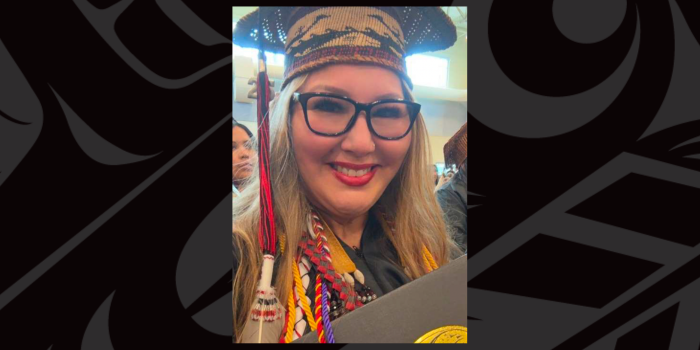
A: They are so proud. My mom was my biggest cheerleader. She loved that I went to law school. One of my favorite photos of us ever taken is a picture from my law school graduation. You can just feel how proud she is and how she feels like she made it too. And my daughters. They see me, a strong, female, person of color, an attorney owning my own law firm, and they have someone to look up to. I think they are very proud of me.

Meet and Greet: Rosina DePoe, Deputy Director of the Washington Indian Gaming Association

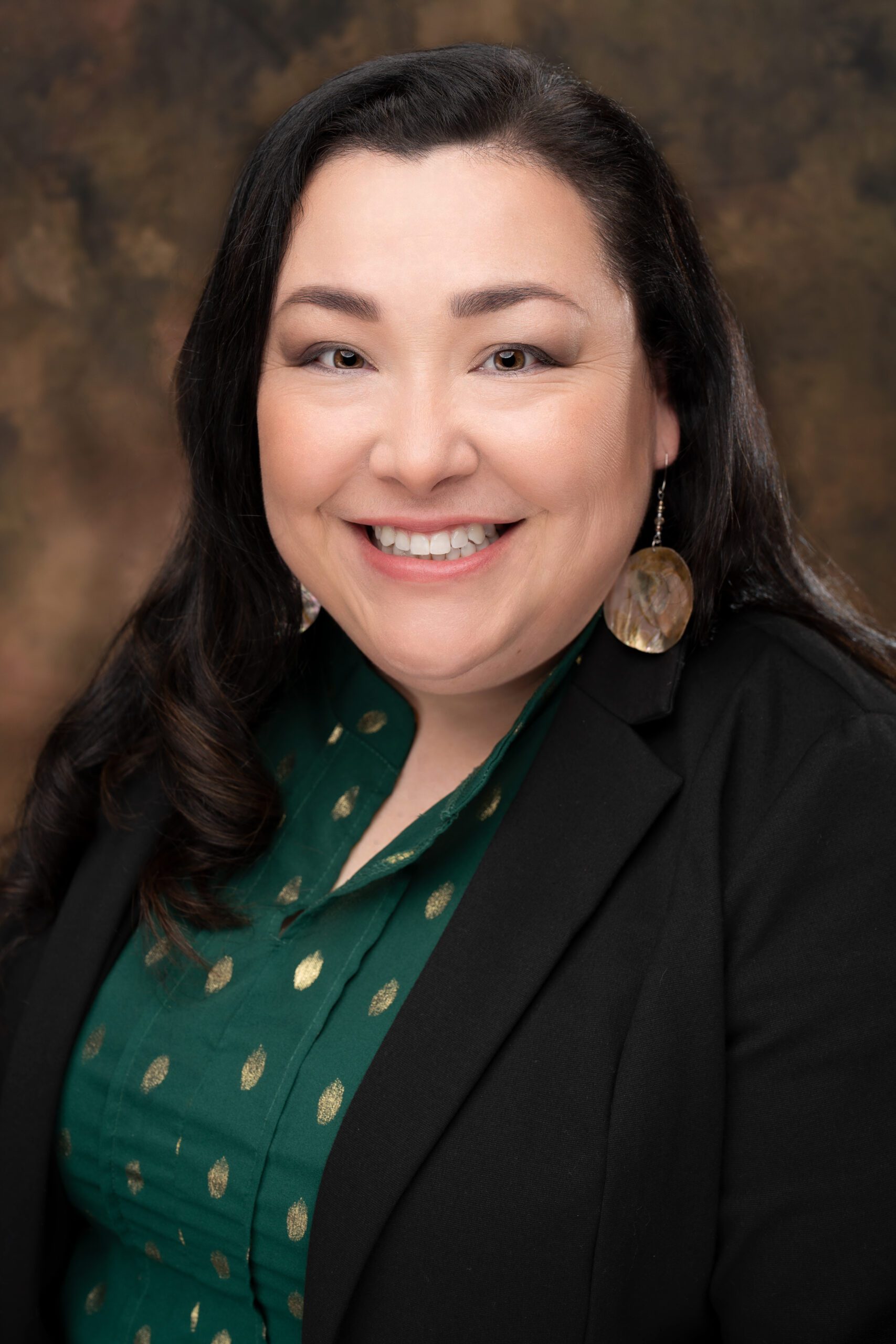
Rosina DePoe is a citizen of the Makah Tribe and has Siletz heritage (Rogue River Tutuni). She works as the Deputy Director of the Washington Indian Gaming Association (WIGA), a nonprofit organization that represents 23 Washington tribes. As part of her job, Rosina manages the WIGA Scholarship Program, which helps Native American and Alaska Native students who want to further their education. She also administers WIGA’s responsible gaming initiatives, which advance policies, resources and support for those impacted by problem gambling. We caught up with Rosina to chat about her 5-year milestone at WIGA and to find out more about her work, career path, and the role education has played in her life.

Q: Please tell us about your role at WIGA. Do you have a favorite aspect of your job?
A: As the Deputy Director of WIGA, I support overall operations, community outreach and education efforts and help ensure we meet our strategic goals. I also have the pleasure of working on projects like the annual Northwest Indian Gaming Conference and Expo.

My favorite aspect of my job is managing the scholarship program. As a former WIGA scholarship recipient, I feel like things have come full circle—I went from being a student to managing the distribution of scholarship funds for students in need. When I read applications, I have the opportunity to learn their stories and better understand their vision for helping tribal communities. It is inspiring and exciting to see the next generation of leaders, doctors, language keepers, teachers and scientists breaking down barriers. They are ready to take up well-deserved space, bringing our native voices to the table and letting the world know we are here to stay.

Q: As a citizen of the Makah Tribe, how has your heritage influenced your career and your professional or leadership style?
A: My grandmother Nell “Mazie” Peterson played a foundational role in my cultural upbringing, along with both of my parents. I come from both a coastal and plains Indian heritage—I am a citizen of the Makah Tribe and a descendant of the Turtle Mountain Band of Chippewa, Rogue River Tututni and Cheyenne. My family ensured I grew up with cultural teachings to know who I am, where I come from, and, most importantly, how much they love me. They taught me my family songs and dances and encouraged me to be a proud, strong native woman.

From a young age, my family always told me I could be anything and do anything I want if I work hard, do well in school and make sure my heart is in it. I knew right away I wanted to work for my tribe or for a tribal organization. My grandmother was also very influential in my leadership style. She taught me patience (which I don’t always have, ha!). She taught me the importance of hearing people out because often they just want to be heard and seen, and to know someone cares about their concerns. These lessons are critical when working with tribal communities and building relationships.

Q: You earned your Master of Public Administration (MPA) degree in Tribal Governance from the Evergreen State College. What did you gain from your MPA program that has been key to your professional development?

A: When I started the program, I had little knowledge of the inner workings of tribal governments. I grew up with a very general understanding. Obtaining my MPA gave me the foundation I needed to grasp the complexities of tribal, state and federal relations. I also gained an in-depth understanding of the history of federal legislation and policies created to harm or benefit tribal nations, which is very useful since much of WIGA’s work is policy analysis, understanding the potential legal impacts of a policy to tribal communities. The MPA program also enhanced my critical thinking and policy analysis skills and strengthened my ability to report findings to tribal leadership. Finally, my education helped me understand the importance of relationships – from working with the public, to building relationships with influencers and decision makers, and the role tribal sovereignty plays in this process.

Q: Why do you believe higher education is important, especially for Native Americans?

A: As an indigenous person, we must walk in two worlds. We try to balance and nourish our cultural soul and teachings while being hyper-aware of a world that surrounds us with constant change and impacts to who we are as tribes. Higher education provides additional tools and knowledge to navigate this challenging path of continuing the important work begun by our ancestors and tribal leaders before us. For me, higher education is a means to continue to protect our tribal sovereignty and tell our story. It is also an opportunity for tribal people to share stories that educate and enlighten the non-tribal students and educators around us.

Q: What are some of your hobbies or interests outside of your professional work?

A: I am an avid softball player. I currently participate in a competitive women’s slow-pitch team and play on two co-ed teams. I have also taken up golf—Goodness, that game is hard! But that one good shot makes it worth the hassle of all the bad ones. I also love taking time to go home and visit my family in Neah Bay, spending time on the ocean. Just being outside is my favorite thing to do. I also dabble in beading and sewing ribbon skirts when I have time. Additionally, I love spending time with my husband, Rick, and two pups, Loki and Louis.

Q: How can readers support the efforts of WIGA and the scholarship program?

A: Get involved! Donate to the scholarship fund, share it with your contacts and spread the word about how WIGA is helping Native students achieve their higher education goals. You are also invited to attend our 3rd Annual WIGA Scholarship Program Gala & Auction hosted by the Kalispel Tribe of Indians at Northern Quest Resort & Casino—It’s a really fun and inspirational event in support of this important program.