


7 Frequently Asked Questions About Tribal Sovereignty
Tribal sovereignty—you’ve probably heard the term, but what exactly does it mean?
In this FAQ, we draw from conversations with tribal leaders and other resources to define and understand the importance of sovereignty, treaties and trust responsibility.
1. What does tribal sovereignty mean?
Sovereignty is the authority of a nation to make its laws and be governed by them. As self-governing nations, tribes establish and operate under their own governmental systems, create their own laws, set citizenship criteria and operate law enforcement and judicial systems.

Kalispel Tribe of Indians Vice Chairman Curt Holmes stands next to a Kalispel Tribal Public Safety Vehicle
2. How do tribal governments operate?
Like city, county, or state governments, tribal governments have elected officials who create and enforce laws. Tribal governments have departments that offer critical services like health care, education, infrastructure and economic development; steward tribal lands, natural resources and the environment; and maintain relationships with local, state, federal and other tribal governments.
Many tribal governments in Washington operate business enterprises ranging from casinos and hotels to construction and agriculture. These businesses generate revenue to pay for essential government services since tribes do not have the same tax resource source as other governments.
3. Did treaties grant tribes their sovereignty?
The notion that treaties granted Native Americans special rights is false. Tribes have always been sovereign nations. In fact, tribal governments are the oldest sovereign governments in North America. Long before Europeans arrived, the Western Hemisphere was highly populated with Native nations that engaged in trade and diplomacy and made agreements with one another. Indian treaties have the same status as treaties between foreign nations and take precedence over any conflicting state law.
4. Why did tribes sign treaties?
When non-Indian settlers came to the continent, they sought to take possession of the land that tribes had existed on since time immemorial. After years of fighting against occupation, many tribes in Washington and across the country signed treaties with the U.S. to protect their people and preserve their way of life. By signing these treaties, tribal nations gave up their traditional territories—land they had existed on since time immemorial—in exchange for a smaller piece of land, off-reservation fishing and hunting rights, and a legal obligation by the federal government to protect treaty rights, lands, assets, and resources, and insure the survival of Indian tribes. This obligation is known as a trust responsibility.
5. Are treaties still relevant today?
Yes. Treaties between tribes and the federal government are part of the U.S. Constitution, which recognizes that once a treaty is signed and ratified by the Senate, it becomes “the supreme law of the land”.
6. Has the U.S. always honored Indian treaties?
Historically, the federal government has failed to honor its treaties and fulfill its trust responsibilities with tribes. The 1800s marked the beginning of one and a half centuries of policies aimed at erasing indigenous people. They relocated tribes onto less valuable land, broke reservations into allotments, forced children into residential schools, and tried to wipe out tribal languages and traditions. These policies resulted in a significant decline in quality of life that, despite some improvement over the last three decades, persists today.
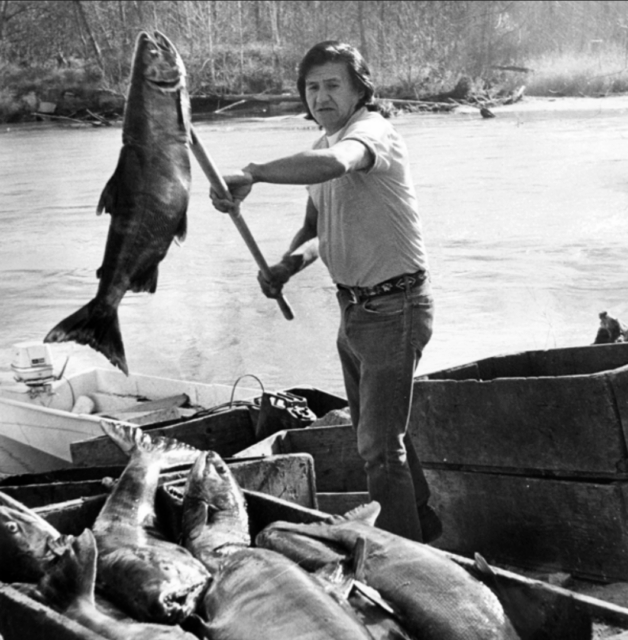
Billy Frank Jr., Nisqually tribal member and advocate for Indian treaty rights, led the tribal “fish wars” the 1960s and 1970s. His activism paved the way for the Boldt decision.
In the latter half of the 20th century, tribes began fighting back and reestablishing their standing as sovereign governments. Since the 1970s, tribes’ inherent powers of self-governance have been affirmed many times by Supreme Court decisions, presidential orders, and laws enacted by Congress.
The 1974 Boldt Decision, which recognized tribes’ right to fish on ancestral lands, was the beginning of a court mandate to the federal government to honor its treaty obligations. In 1987, the Supreme Court confirmed the sovereignty of tribal governments to establish and regulate gaming operations independent of state regulation. In Washington, tribal government gaming has become a lifeline for tribal economies. Today, tribal governments use revenue from gaming and other tribal enterprises to fund critical government services and improve lives across the state.
7. Why is sovereignty so important to tribes?
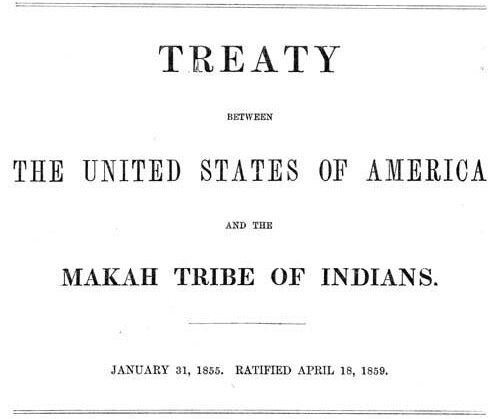
Photo credit: University of Washington Digital Collections.
Tribal self-determination, self-government and self-reliance change Indian lives for the better. Prior policies isolated Native people, stripped them of culture and language and restricted tribal revenue collection. Self-governance, however, puts decision-making in the right hands and results in business success, enhanced healthcare, better housing, more effective law enforcement, improved natural resource management and more.
Want to learn more? Check out the following resources:
- The Story of Tribal Sovereignty (Video from Washington Tribes)
- Tribal Sovereignty, Explained (Video from Washington Tribes)
- Washington Indian Tribes Today (Educational resource from Washington Tribes)
- Why Treaties Matter (Video from NPR)
- Tribal FAQs (Website – U.S. Bureau of Indian Affairs)
- Teaching & Learning about Native Americans (Website – National Museum of the American Indian)