

Category: Protecting Resources

Association of Washington Tribes: Leadership, Advocacy and What’s Ahead

For the first time in its history, the Association of Washington Tribes (AWT) has a full-time Executive Director, demonstrating tribal leaders’ commitment to sustained and coordinated representation of tribes in Washington state.

Founded in 1998, the AWT has long served as a forum for tribes to advocate for tribal sovereignty and treaty rights. The organization advances the principles of the Centennial Accord, which established a formal government-to-government relationship between the State of Washington and federally recognized tribes.

AWT’s Executive Director is Patrick DePoe, a Makah tribal member with deep experience in tribal and state government. He previously served on the executive team at the Washington State Department of Natural Resources and spent six years as an elected member of the Makah Tribal Council, where he led tribal coordination with state and federal agencies on climate resilience and habitat restoration.

In his new role, DePoe is focused on strengthening relationships between tribes and state leaders and creating opportunities for meaningful engagement around key issues.

“I’m focused on making conversations happen,” explains DePoe.
That approach was evident last December, when nearly 200 people attended a two-day AWT meeting that brought together tribal leaders, Washington state legislators, department directors, and many others to discuss tribal perspectives on priority areas, including natural resources, healthcare, social services and the state’s budget.

DePoe credits the strong turnout in large part to tribal leaders, particularly AWT Chair and Lummi Nation Tribal Chair, Tony Hillaire.

“Chairman Hillaire does an excellent job of speaking with tribal leaders across the state about the importance of tribes coming together,” says DePoe.

He is equally appreciative of AWT Vice Chair and Chair of the Tulalip Tribes, Teri Gobin.

“I am incredibly grateful to the Tulalip Tribes for hosting the AWT meeting for tribal leaders and legislators and to Chair Gobin for giving so much to support AWT’s next chapter,” he says.

The next AWT meeting will take place during the Affiliated Tribes of Northwest Indians Winter Convention in early February. DePoe also plans to convene another AWT meeting later this year and facilitate smaller discussions between tribal leaders and state elected officials.

Despite ongoing challenges, including state budget shortfalls and the federal government’s trust responsibilities, DePoe remains optimistic.
“Every one of our tribal nations has power, he says. “When we come together, there’s so much we can accomplish.”
4 Ways Washington Tribes are Protecting the Environment and Natural Resources

Taking care of the environment has always been important to Native people. Since time immemorial, tribes in Washington have depended on the land and sea for valuable cultural and natural resources. That’s one reason tribes are deeply committed to investing in smart resource management and environmental protection. Throughout the state, tribal governments are leading the way in restoring ecosystems, sustainably managing resources and facing the challenges of a changing climate. Here are a few examples of the work tribes are doing to restore and protect important cultural and natural resources for future generations.

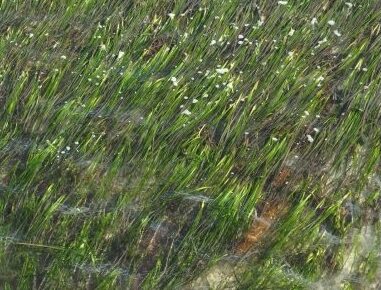
Lower Elwha Klallam Tribe: Bringing Back Eelgrass
Eelgrass plays a crucial role in marine ecosystems. It helps clean the water, provides habitat for fish, produces oxygen and protects coastlines. Healthy eelgrass beds also support salmon, crab and other natural and cultural resources. The Lower Elwha Klallam Tribe is replanting eelgrass in areas where it has declined due to pollution, development and other human activities. Through careful monitoring and adaptive management, the Tribe is restoring these essential underwater habitats and supporting a healthy marine environment.

Swinomish Tribe: Building Clam Gardens
The Swinomish Indian Tribal Community recently revived an indigenous practice that is 3,500 years old—building clam gardens to enhance shellfish production! Clam gardens are created by constructing knee-high rock walls where the ocean meets the land between high and low tides. This extends the gently sloping habitat where clams and other shellfish thrive. By rebuilding these traditional structures, the Tribe is increasing food security, fostering biodiversity and helping counteract ocean acidification caused by climate change.

Colville Tribe: Managing Wildfires
The Confederated Tribes of the Colville Reservation have developed a comprehensive strategy to manage wildfires and protect forests and communities from this increasing threat. Their approach includes controlled burns, forest thinning and community education programs. By reducing the amount of fuel and creating firebreaks, the Colville Tribe is reducing the risk of catastrophic wildfires and promoting healthy forests. Their proactive measures also involve collaboration with federal and state agencies to ensure a coordinated and effective response to the threat of wildfires.

Shoalwater Bay Tribe: Fighting Invasive Green Crabs
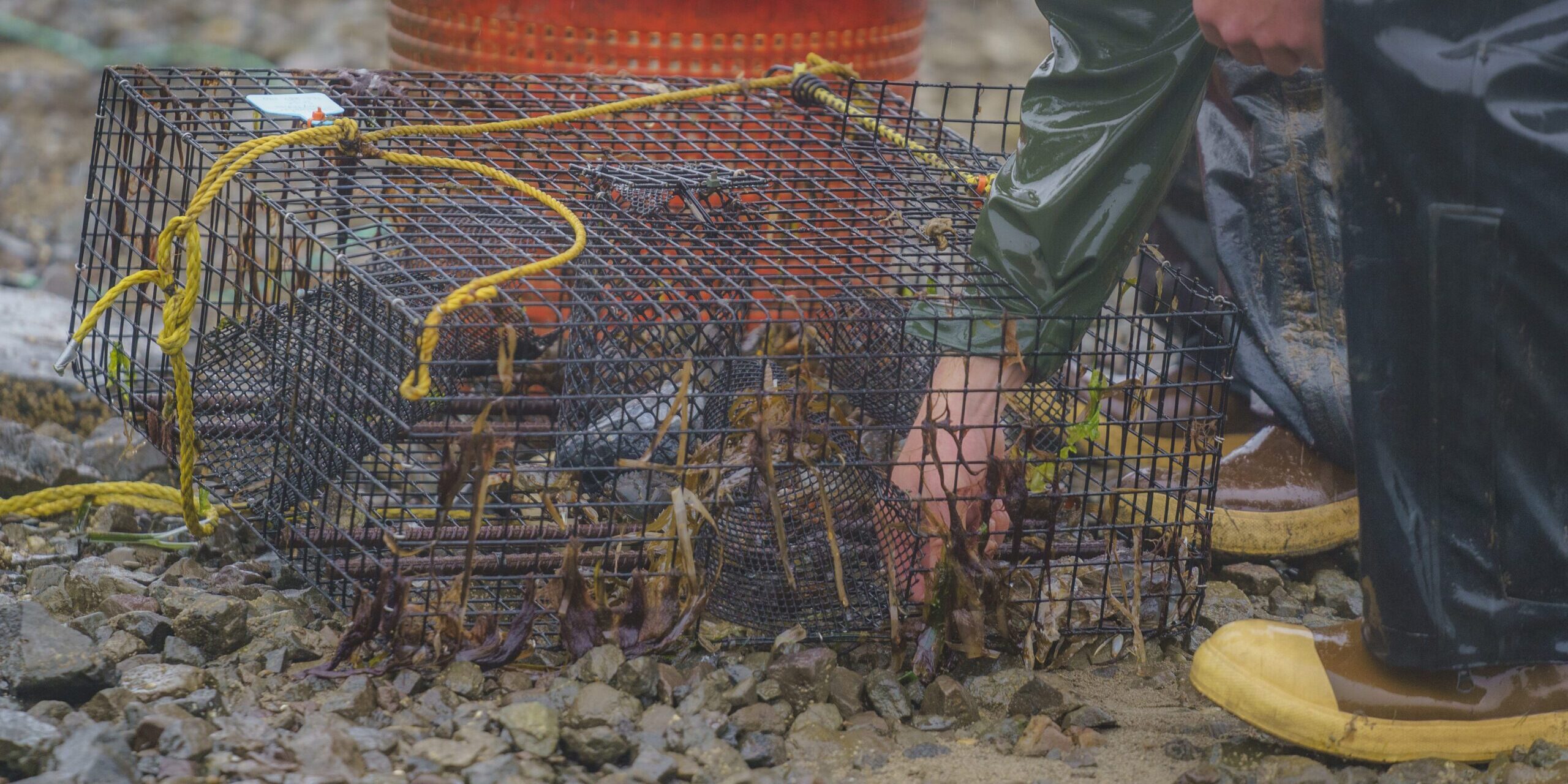
Green crabs, originally from Europe and northern Africa, are an invasive species in North America. They aggressively compete with native species, prey on juvenile clams and oysters, and disrupt eelgrass beds. The Shoalwater Bay Tribe is combating invasive green crabs near Tokeland, Washington by trapping and removing thousands of them each month. This effort, along with the work of other agencies and tribes, including the Lummi Nation and the Makah Tribe, is crucial for protecting coastal ecosystems and the livelihoods that depend on them.

Of course, there are many more ways tribes are protecting and restoring important cultural and natural resources for future generations. If there’s a project you’d like us to feature in a future newsletter, let us know at info@washingtontribes.org.


What Are Camas Lilies and Why Are They Important to Tribes?

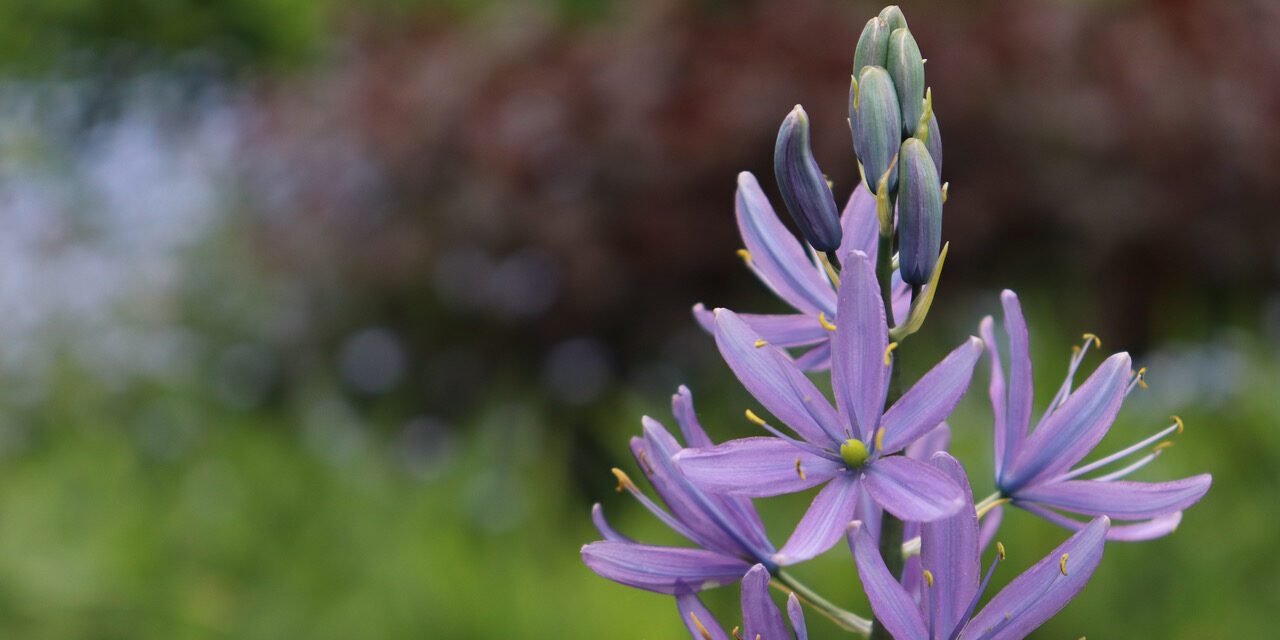
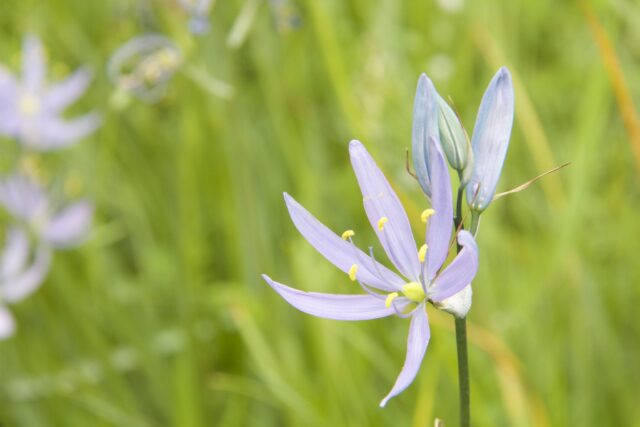
Every spring, fields across the Pacific Northwest erupt in swaths of violet-blue as camas flowers bloom. These wildflowers are integral to the cultural, spiritual and culinary traditions of many tribes in Washington. Read the frequently asked questions below to learn about this important First Food.

Camas FlowerQ: What is camas?
A: Camas are wildflowers, part of the lily family, with blue-purple petals that grows in open meadows and prairies across the Pacific Northwest. You’ll usually see camas flowers in full bloom by late spring, turning whole fields into a sea of color. The plant’s starchy bulbs look like a cross between a garlic clove and a small potato. They are a good source of fiber and contain inulin, which can help control blood sugar. Camas is typically harvested between April and June when the flowers or dried petals are visible.

Q: Why is camas important to tribes?
A: Camas has long been a culturally and economically important resource for many tribes in the Pacific Northwest. It has been harvested, traded and used in traditional ceremonies for generations. Its spring bloom was known as a marker of changing seasons.

Though camas may not be a daily staple today, it remains deeply meaningful. It connects people to the land, their ancestors and the seasons. Today, tribes are restoring camas meadows, protecting harvesting areas and teaching traditional digging and cooking techniques to the next generation as part of a broader revitalization of traditional food and cultural practices.

Q: How is camas harvested and prepared?
A: Camas is dug in the spring, when its petals are visible (important for avoiding its toxic lookalike, death camas). Harvesters use traditional t-shaped digging sticks to lift the bulbs from the soil while protecting the meadow. The bulbs can be boiled, baked or slow-roasted. If only cooked for a short time, camas isn’t particularly flavorful, but when roasted over a longer period, it darkens and sweetens. Traditionally, camas roots were slow-cooked in underground ovens for 2-3 days. Today, a slow cooker is a more common cooking method.

Want to learn more about camas? Check out the following resources:

Washington Tribes Are Reviving First Food Traditions

Smoking salmon

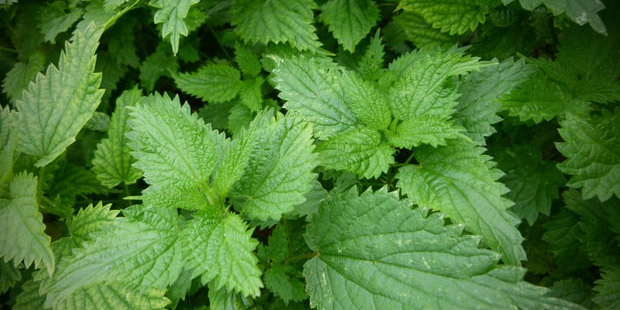
What do salmon, camas, clams, and nettles have in common? They’re all Indigenous First Foods—part of a complex diet of natural resources that tribes have relied on since time immemorial. Traditional First Foods for tribes in what is now Washington state include berries, plants, roots, salmon, shellfish and wild game.

First Foods are more than just nourishment—they are vital to the cultural identity of Native tribes. They represent a deep connection with the land and a way of life that values respect and balance with nature. The right to hunt, gather and fish traditional foods is also fundamental to tribal sovereignty and guaranteed through tribal treaties.

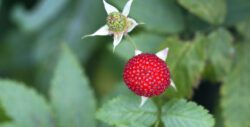
Thimbleberry (ɫəɫaq in the Twulshootseed language)

Today, many tribes are working hard to revive Indigenous food traditions disrupted by colonization and industrialization. From clam gardens to camas harvests, tribes across the state are promoting health and sustainability, preserving culture and exercising their sovereignty through traditional food programs.

As part of this movement, Indigenous communities are sharing First Foods recipes, inviting others to experience these traditional flavors and learn about the deep cultural connections behind them.

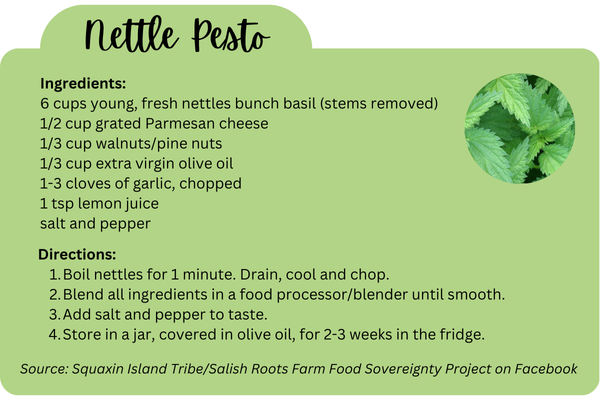
Here’s a recipe to try at home!

You can find this recipe and a wealth of information about traditional foods and medicines on the Squaxin Island Tribe’s Salish Roots Farm Food Sovereignty Program Facebook page.