

Category: WIGA

Strong Tribal Economies Benefit All of Washington

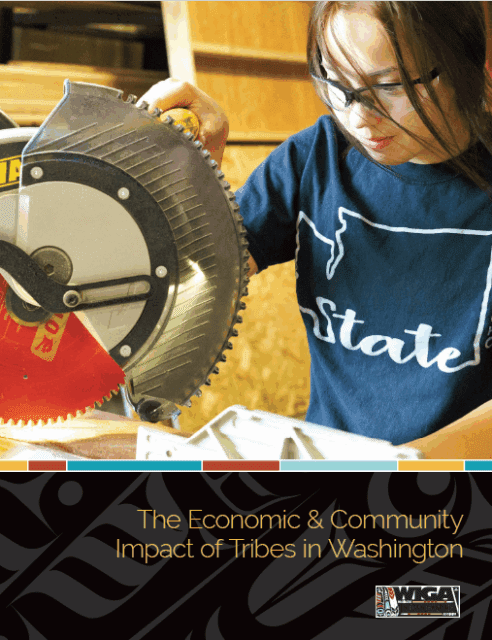
An economic impact study released this week shows that Washington’s 29 federally recognized tribes generated more than $7.4 billion in gross state product in 2023 alone—up from $6.6 billion in 2020.

Commissioned by the Washington Indian Gaming Association (WIGA) and authored by economists Amy Besaw Medford and Jonathan B. Taylor, The Economic & Community Benefits of Tribes in Washington explains how tribal economies—supported by gaming and a growing and diverse range of businesses—are investing in essential services, creating jobs and supporting families and communities across the state.

“We’re witnessing a remarkable transformation in Indian Country,” said Jonathan Taylor, co-author of the report. “Tribes in Washington have gone from having very few jobs on reservations to being leading employers. Today, tribes together are the state’s 8th largest employer.”

Key Tribal Economic Impacts:

  • $3.9 billion in wages and benefits
  • $1.5 billion in state and local taxes
  • 52,000+ jobs supported statewide—most held by non-Indian employees

This growth is having a powerful impact on the quality of life in the state. Since 1990, the real income of American Indians on reservations in Washington has grown by 59%, college degrees have doubled, and family poverty has dropped by 46%. But significant challenges remain: Native households still face poverty at four times the statewide average.

“While I’m proud of Washington tribes’ success, we have a long way to go,” said Ron Allen, Chairman of the Jamestown S’Klallam Tribe, who also chairs WIGA. “It’s important for the public to understand the impact tribal revenues have on our communities. These flexible revenues are a critical tool for our self-reliance.”

As tribes continue to drive economic growth and social progress, Washingtonians across the state stand to benefit for generations to come.

Responsible Gaming Is a Top Priority for Washington Tribes

Excerpted from an op-ed by Rebecca George, Executive Director of the Washington Indian Gaming Association, first published in Tribal Gaming and Hospitality Magazine.

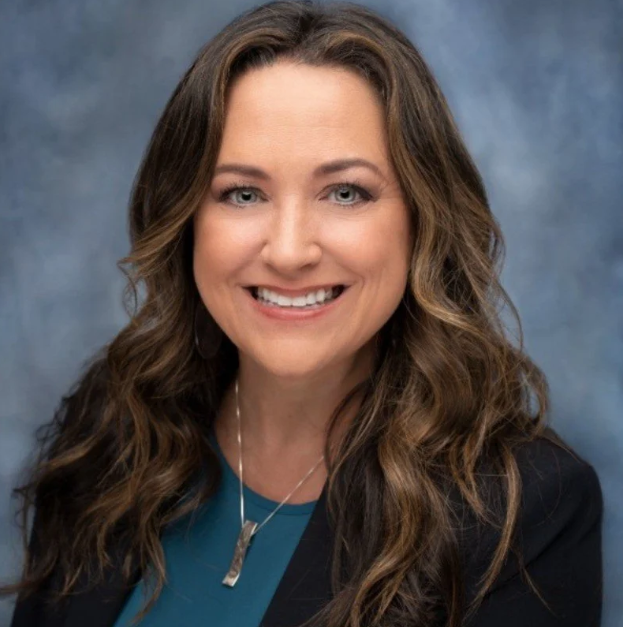
Rebecca George HeadshotSeptember is Responsible Gaming Month, a reminder that gaming should be a form of entertainment, not a source of harm. In Washington state, tribes are leaders in promoting responsible gaming, working year-round through policy, education, prevention and treatment.
For more than three decades, tribal government gaming has helped Washington tribes regain our self-reliance, create opportunities and lift people out of poverty. It has also helped make tribes vital contributors to the state’s economy.

The success of tribal gaming is rooted in careful regulation, established through decades of thoughtful negotiation and collaboration between tribal governments, the state and federal authorities. The result is a system that rightly allows responsible adults access to enjoy gaming and other entertainment opportunities at well-run and monitored tribal casinos, while also ensuring there are clear safeguards and support in place for people who may be at risk of problem gambling.

Gambling addiction is a real, serious behavioral health concern, and it’s risks are growing nationwide with the expansion of unrestricted, illegal online gaming available 24/7 on smartphones. To make matters worse, seeking help for addiction is too often stigmatized, undermining treatment and recovery.

Despite these challenges, Washington tribes have made meaningful progress. Their approach to minimize and treat problem gambling emphasizes positive, culturally relevant messaging; year-round outreach; expanded provider training; and better integration of problem gambling awareness into behavioral health systems. For tribes, responsible gaming is not just a casino issue – it’s a community health priority.

Every year, the Washington Indian Gaming Association (a trade association of 23 gaming tribes in Washington state) works with tribes on multiple fronts to proactively address problem gambling, contributing more than $2 million to education, prevention, treatment and wellness programs. Tribes also tackle problem gambling through self-help programs, awareness-building campaigns, casino self-exclusions and ban requests.

Equally important, tribes in Washington champion culturally tailored programs to produce the best possible outcomes. Options range from culturally appropriate marketing and outreach programs to treatment programs, aftercare, group therapy, family support and other interventions. Some tribes focus their limited resources on serving their citizens. Others, with the means to do so, open programs up to tribal and non-tribal members, alike.

WIGA tribes also work together to fund an annual statewide public education campaign that directs people to WATribesCare.org so that those affected by problem gambling know where to turn for help. That campaign is being refreshed and will launch in early 2025.

Addressing addiction is an ongoing effort and tribes in Washington are committed to continual learning and refining their efforts to prevent and treat problem gambling. It’s something we put enormous thought and effort into, and will continue to do so. But we can’t do it alone. Progress requires collaboration with state leaders, health systems, and the public to support prevention, treatment, and responsible play.

While problem gambling affects a relatively small proportion of the population, its consequences can be devastating for individuals and their loved ones. But working together in a committed and sustained way, we can provide help and hope.

Meet Mackenzie Crow, zoology student and WIGA Scholarship Recipient

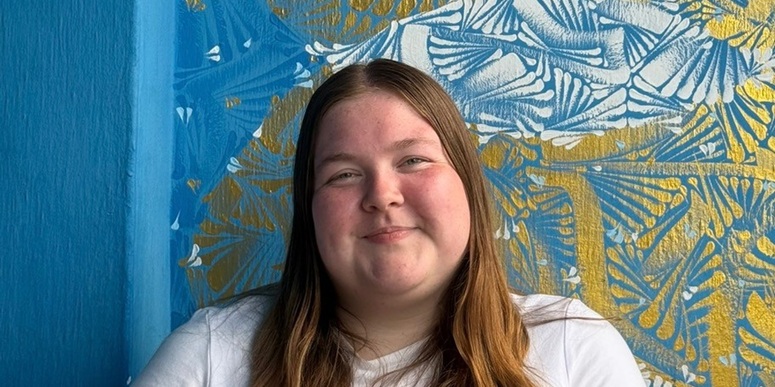
Mackenzie Crow is a member of the Suquamish Tribe, a zoology student at Washington State University, and a two-time recipient of the Washington Indian Gaming Association (WIGA) scholarship. In a conversation earlier this month, we asked Mackenzie about the importance of education, her career goals and what it means to be a WIGA Scholarship recipient.
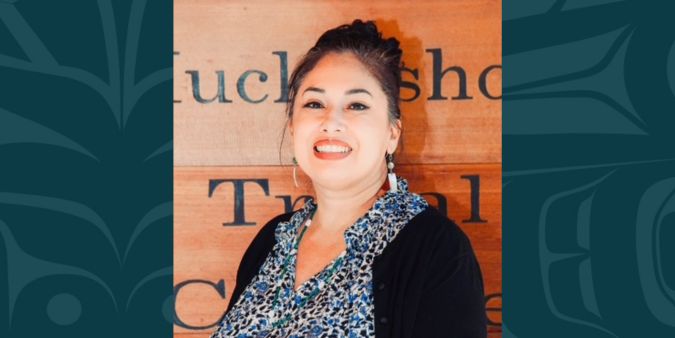
Q: You’re in your junior year at WSU, studying zoology. Can you tell us why you chose this major?
I have known since I was a kid that I wanted a career where I can help and make a difference. I was lucky to grow up in an area where we could take field trips to nearby zoos and I think that’s where my initial love for zoology came from. I’ve always been fascinated by exotic animals like sloths and red pandas, so when it came time to pick a major, I knew zoology was for me.

Q: What are your career goals?
My main career goal is to become a zookeeper at the Woodland Park Zoo in Seattle, Washington. That’s where my initial love for this work began. I hope to one day work with large exotic animals like cheetahs, elephants and red pandas. I want to learn everything there is to know about these animals and use my knowledge to educate others. I want to make a difference by teaching people how threats like climate change and unlawful hunting practices are affecting wild animals, and what we can to do help protect them.

Q: How do you hope your work in conservation will benefit your community or the environment?
Once I have been a zookeeper for a while, I would like to transition into wildlife conservation and research. I grew up on a coastal reservation, where I went crabbing with my family. Over time, I have seen the crab population decrease, and I know it’s not just crabs, and it’s not just happening here in Washington. Certain animal populations are decreasing all over the world, on land and in the ocean. Research into why and what can be done is critical, especially to tribes that rely on them for a large portion of either income or diet.

Q: Why is higher education important to you? How has your heritage and culture has influenced your educational goals?
I come from a place where not many people in the past had the opportunity to get a higher education. I was surrounded by amazing, loving people who told me to dream big and taught me how important it is for there to be more Native American representation, especially in places where historically there hasn’t been much at all. By getting my degree, I’m honoring those who encouraged me to achieve what they didn’t get to.

I was fortunate to have some amazing role models growing up—my mom and sister both have higher education degrees. I want to continue that legacy and be a good role model for my younger sister, cousins and other kids in my community. I think it is important to be a good leader to show those younger than me that getting a higher education and achieving your dreams is possible.

Q: What role has the WIGA Scholarship played in your educational journey?
The WIGA scholarship has played a huge role in my educational journey. Because the funds are unrestricted, I can use them to pay my rent or purchase textbooks and school supplies. It is no secret that college is hard and stressful, so I am grateful to not have to stress about money on top of that.

I was fortunate to study abroad with a program called Semester at Sea, taking college classes on a ship with over 500 other students and traveling to ten different countries. The WIGA Scholarship Program helped make that possible. I will be forever grateful to WIGA and everyone who helped me continue my education while being able to see the world and experience different cultures.

Q: Lastly, what has been one of the highlights of your zoology education so far?
During my second year at WSU, I took an animal science class in which I learned about and then worked with animals like cows, sheep, horses and deer. It was my first real, hands-on experience, and it solidified that zoology is what I want to do.

Then, during my study abroad on Semester at Sea,  I went on two safaris in Kenya and South Africa and I  got to see real, wild, exotic animals. Seeing elephants, lions, giraffes and rhinos  was an eye-opening experience—I was even given the most amazing opportunity to pet a cheetah! It has easily become the top highlight of my zoology education and really showed me that I am exactly where I am supposed to be.

Meet Cheebo Frazier, tribal leader working to make meaningful change

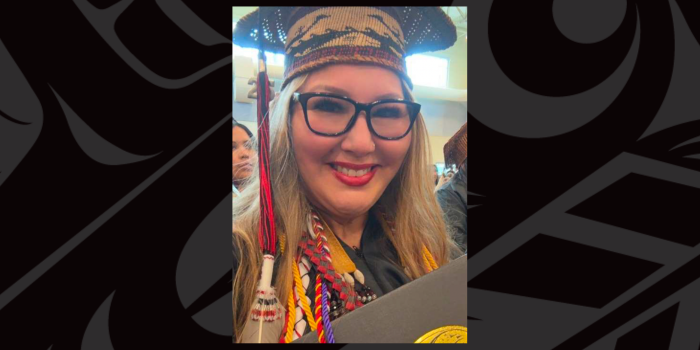
WIGA Scholarship recipient Cheebo Frazier is Vice Chairwoman of the Nisqually Tribe, former Chief Human Resources Officer, Casino Manager and longest-serving GM for the Tribe’s Tribal gaming enterprise, and prior COO and CEO of the tribe’s corporate arm Medicine Creek Enterprise Corporation. She has a master’s degree in business administration and is pursuing her doctoral degree in education as an Indigenous Community Leader at the University of Washington/Muckleshoot Indian College. We recently asked Cheebo about her educational pursuits, career mission, and the role the WIGA scholarship has played in helping her achieve her goals.
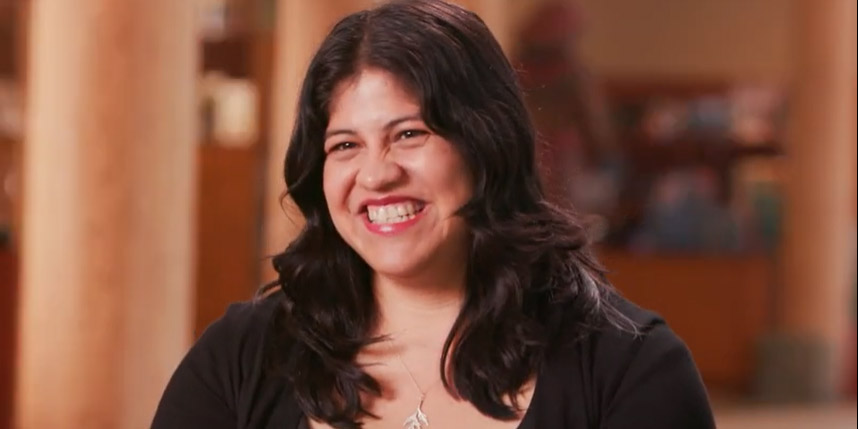
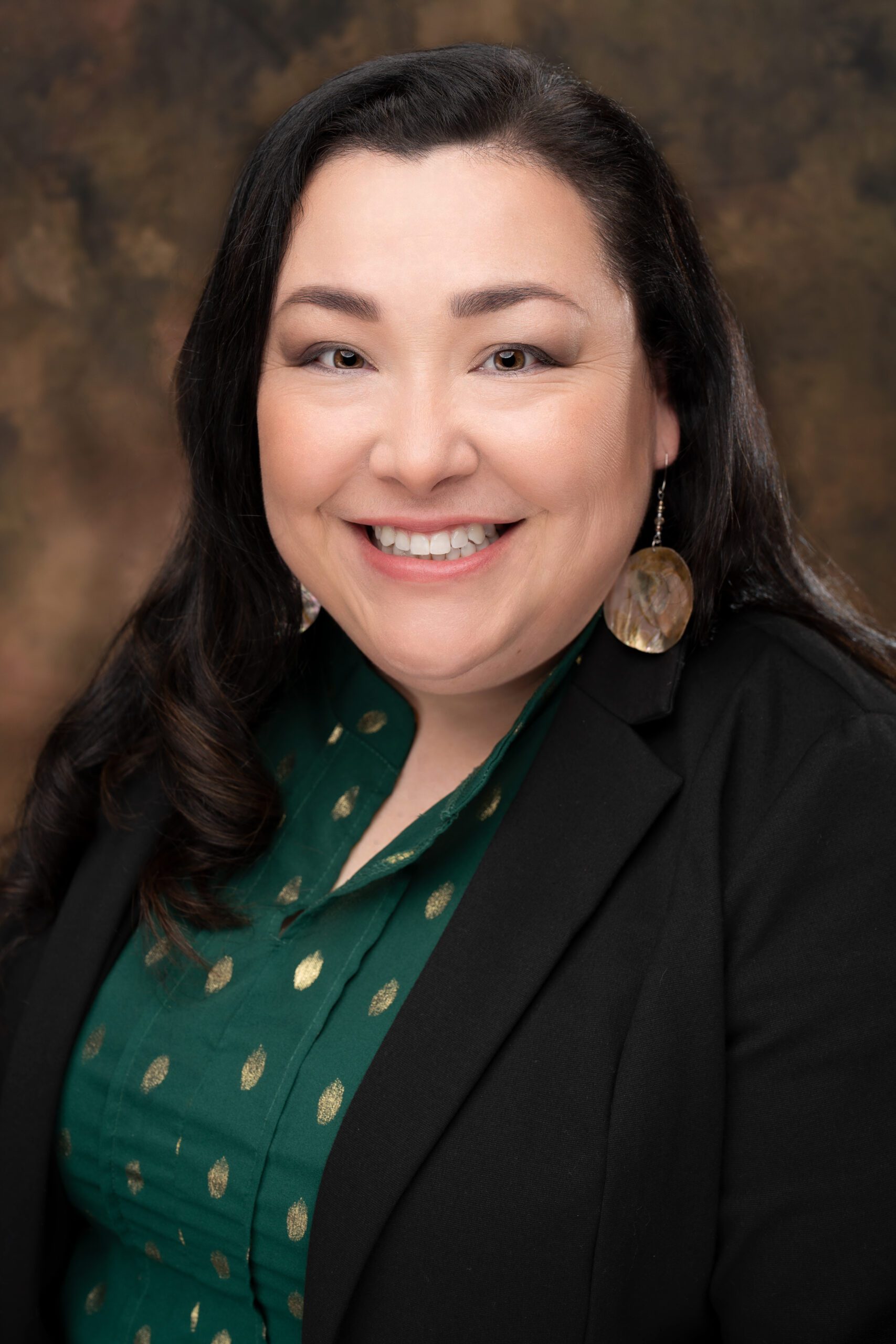
Q: What inspired you to pursue a doctoral degree in educational leadership at the University of Washington Tacoma as part of the Muckleshoot Tribal Cohort? How does the program support your goals?
This program has taken me full circle. I participated in travel abroad as an undergrad at Dartmouth College, studying Brazilian Culture and Literacy in Brazil.  I was introduced to Paolo Freire’s teachings about critical consciousness and liberation of oppressed peoples. This doctoral program allowed me to remember those teachings and to think about its application to growing healthy communities.  What I particularly enjoy about Indigenous programs and this degree in specific are the integration of who we are as Tribal leaders in our community and the intersection between cultural continuity and growing leadership capacity through praxis. Moving from theory, or what some call “book knowledge”, to community practice and engagement helps us truly identify the wants and needs within our community and work to address them.  Having this progress in how we contribute to positive changes throughout our Indian nations is very fulfilling to me and I can see how our heartwork is truly making a difference.

That is “what” inspired me. As to “who” inspired me, that is my late Grandmother Frankie (Kautz) McCloud and Aunt Georgianna “Porgie” Kautz, both honorary doctorates from University of Puget Sound.  They set the bar very high in community work for Tribes and earned prestigious recognition, paving critical pathways.  I aspire to be as impactful toward meaningful change. Additionally, this program was different in that aspect in that it is instructed by Indigenous professors.  They are all doctorates, role models who have moved through this journey and are reaching back to pull us forward.

Q: You’ve already accomplished a great deal in your career. What goals are you focused on for the future and how has your tribal heritage and culture influenced you?
My experience in economic development was about creating opportunities for self-sufficiency for the Tribe. Presently, as an elected leader, the scope is much broader and although Tribal Council was not on my radar as a target, I was called forward and asked to step into this role and contribute. I am continually focusing on our Traditional values system and how we use it to guide our Indigenous communities.  Healing communities and reconciliation is how I’m moving forward as a Tribal leader. My goals are to find ways to bring our people back to community. This includes re-entry, recovery, intergenerational traumas, school challenges and using our traditional ways to be healthy and successful as a people. I have had wonderful guidance and mentors in my life who showed me how to have hope and to imagine new possibilities. I cannot be thankful enough to those ancestors and those Elders who keep encouraging and supporting us in this growth.

Q: What advice would you give Native students who are considering higher education or leadership roles?
There are technical tools that could prepare you, which are related to things like being skilled in APA, references and citations.  That was a learning curve for many of us. I’d also like to recommend you look at Indigenous authors, scholars and activists in academic areas that you are interested in. Attend some presentations and/or get to know others, friends and family, that have perhaps gone through graduate schools or are degreed in your area of interest. The thing is, there are now a lot of us who can help you navigate these unfamiliar environments. If you are wondering if you can do it, we know you can! We were also not sure if we could chew this big bite we bit off – a doctorate program – but with encouragement and support, we hold each other up.

Q: How has the WIGA Scholarship supported your educational journey?
There was a tremendous amount of worry and concern about affording the program. Many of us hold jobs, and we also have families and homes to provide for. It has been very motivating to be recognized as a student who is striving and working hard to give back to our Tribal communities. WIGA acknowledges this work and is helping in concrete ways to be sure that students are supported. Also, as I expressed to our Tribe, it’s important for Tribes to support their students too. There are some students who left the program specifically because they could not get financial support to offset the total cost of the program and they were absolutely brilliant, wonderful humans that were seeking to improve education for our Native nations. Their heartwork and degrees would have gone on to make immense and critical changes in the educational landscape and future outcomes for many generations beyond just their own. We must work to exponentially increase our space and place in higher education. I’m so glad that WIGA sees how these individual successes increase our collective abilities as Tribes.

Q: What has been one of the highlights of your doctoral program so far?
The span of incredible Native educators, scholars and authors is expansive and growing. I have absolutely loved reading and learning from Indigenous experts and researchers in their field and then having the opportunity to actually meet them and take part in programs or teachings with them. Many of our professors are published authors and they have created opportunities for us to write and contribute to Indigenous literature.  The circle is growing and as native people we are not outside of the circle we become part of this circle. I have met and worked with sensational and prolific educators and we’re so grateful for their teachings. It’s been an amazing experience.

Q: Lastly, when you’re not working or studying, what’s your favorite way to recharge or have fun?
Sharing what I love to do most is an easy answer! The pinnacle of my life has been becoming a kayəʔ.  I’m a “pre-elder” and grandmother. Although I love my job and love the doctoral program, I love spending time with my Grandson and Children the most. The wholesome family time during breaks is both healing and celebratory. The future generation are who we do this heartwork for, it is our most fundamental “why”.

“It makes such a big difference”: Attorney Amber Penn Roco reflects on receiving the WIGA Scholarship

Amber Penn-Roco is an attorney, mother of two, a member of the Chehalis Tribe and former Washington Indian Gaming Association (WIGA) Scholarship Recipient. In a recent interview, we asked her about her career and education, and what it means to be a WIGA Scholarship Recipient.

Q: Please tell us about your work.
A: I am a partner at Galanda Broadman, an indigenous rights law firm. I specialize in environmental protection and the preservation of cultural and natural resources. Being an attorney is a challenging career, and I find that the best way to navigate it is by finding work you are passionate about. My entire life, I knew I wanted to work on behalf of the Indigenous people, in order to give back to the communities that have given me so much. I think that the Tribes and Indigenous communities that I represent appreciate having an advocate who looks like them, who understands their communities, who understands the intricacies of what it is like to live on a reservation, to be a part of a Tribe, and to constantly fight for recognition as a government.

Q: Did you always know you would go to college and become an attorney?
A: My mom was a schoolteacher. She was the first in her family to receive a college education. She emphasized, from a very early age, that a good education was the key to success. She was a single mom with eight kids, and money was a constant struggle for our family. She did her absolute best, but, after my dad left, we ended up homeless for a time. I knew from a very early age that I wanted to go to college and pursue academic success so that I could help out my family, financially, and to make sure that my own family did not suffer the same kind of troubles.

By high school, I knew I wanted to go to law school and become an attorney. With that as my goal, the primary issue, was, practically, how to make it happen. College is expensive. When you consider trying to fund an additional three years of law school, after four years of college, the investment required felt nearly insurmountable, it was incredibly difficult to figure out a way to make it work. My Tribe tried, my family tried, I tried—and we simply did not have enough money to fund it ourselves. I was determined, I applied for every scholarship I could find. Throughout my seven-year academic career, spanning three different colleges, my education simply would not have been possible without scholarships. I would not be an attorney without the generosity of others.

Q: What role did the WIGA Scholarship play in your educational journey?
A: I received the WIGA scholarship at the perfect time. In my third year of law school, all my scholarships ran out. I found myself putting textbooks on a credit card, in order to make ends meet. I was forced to contemplate whether I could afford to finish my law degree. Receiving the scholarship funds from WIGA meant I could afford to focus on my education and not be distracted with wondering how I was going to be able to pay my bills or buy my textbooks. It makes such a difference, to be able to focus on college and classes and not on how to survive.

One thing I love about the WIGA scholarship is that it is unrestricted funds. WIGA recognizes that the cost of school is not limited to just tuition and books. There are a million costs associated with putting yourself through college, it is so incredibly helpful that they provide students with funds and allow the student to decide how to best use those funds to make ends meet.

It is also so nice to have a scholarship that is directly aimed at Indigenous students. It is very difficult to find programs like this. It was delightful to apply and be able to put my tribal affiliation on the application.

Q: What does your family think of where your education has taken you?
A: They are so proud. My mom was my biggest cheerleader. She loved that I went to law school. One of my favorite photos of us ever taken is a picture from my law school graduation. You can just feel how proud she is and how she feels like she made it too. And my daughters. They see me, a strong, female, person of color, an attorney owning my own law firm, and they have someone to look up to. I think they are very proud of me.

Meet and Greet: Rosina DePoe, Deputy Director of the Washington Indian Gaming Association

Rosina DePoe is a citizen of the Makah Tribe and has Siletz heritage (Rogue River Tutuni). She works as the Deputy Director of the Washington Indian Gaming Association (WIGA), a nonprofit organization that represents 23 Washington tribes. As part of her job, Rosina manages the WIGA Scholarship Program, which helps Native American and Alaska Native students who want to further their education. She also administers WIGA’s responsible gaming initiatives, which advance policies, resources and support for those impacted by problem gambling. We caught up with Rosina to chat about her 5-year milestone at WIGA and to find out more about her work, career path, and the role education has played in her life.

Q: Please tell us about your role at WIGA. Do you have a favorite aspect of your job?
A: As the Deputy Director of WIGA, I support overall operations, community outreach and education efforts and help ensure we meet our strategic goals. I also have the pleasure of working on projects like the annual Northwest Indian Gaming Conference and Expo.

My favorite aspect of my job is managing the scholarship program. As a former WIGA scholarship recipient, I feel like things have come full circle—I went from being a student to managing the distribution of scholarship funds for students in need. When I read applications, I have the opportunity to learn their stories and better understand their vision for helping tribal communities. It is inspiring and exciting to see the next generation of leaders, doctors, language keepers, teachers and scientists breaking down barriers. They are ready to take up well-deserved space, bringing our native voices to the table and letting the world know we are here to stay.

Q: As a citizen of the Makah Tribe, how has your heritage influenced your career and your professional or leadership style?
A: My grandmother Nell “Mazie” Peterson played a foundational role in my cultural upbringing, along with both of my parents. I come from both a coastal and plains Indian heritage—I am a citizen of the Makah Tribe and a descendant of the Turtle Mountain Band of Chippewa, Rogue River Tututni and Cheyenne. My family ensured I grew up with cultural teachings to know who I am, where I come from, and, most importantly, how much they love me. They taught me my family songs and dances and encouraged me to be a proud, strong native woman.

From a young age, my family always told me I could be anything and do anything I want if I work hard, do well in school and make sure my heart is in it. I knew right away I wanted to work for my tribe or for a tribal organization. My grandmother was also very influential in my leadership style. She taught me patience (which I don’t always have, ha!). She taught me the importance of hearing people out because often they just want to be heard and seen, and to know someone cares about their concerns. These lessons are critical when working with tribal communities and building relationships.

Q: You earned your Master of Public Administration (MPA) degree in Tribal Governance from the Evergreen State College. What did you gain from your MPA program that has been key to your professional development?

A: When I started the program, I had little knowledge of the inner workings of tribal governments. I grew up with a very general understanding. Obtaining my MPA gave me the foundation I needed to grasp the complexities of tribal, state and federal relations. I also gained an in-depth understanding of the history of federal legislation and policies created to harm or benefit tribal nations, which is very useful since much of WIGA’s work is policy analysis, understanding the potential legal impacts of a policy to tribal communities. The MPA program also enhanced my critical thinking and policy analysis skills and strengthened my ability to report findings to tribal leadership. Finally, my education helped me understand the importance of relationships – from working with the public, to building relationships with influencers and decision makers, and the role tribal sovereignty plays in this process.

Q: Why do you believe higher education is important, especially for Native Americans?

A: As an indigenous person, we must walk in two worlds. We try to balance and nourish our cultural soul and teachings while being hyper-aware of a world that surrounds us with constant change and impacts to who we are as tribes. Higher education provides additional tools and knowledge to navigate this challenging path of continuing the important work begun by our ancestors and tribal leaders before us. For me, higher education is a means to continue to protect our tribal sovereignty and tell our story. It is also an opportunity for tribal people to share stories that educate and enlighten the non-tribal students and educators around us.

Q: What are some of your hobbies or interests outside of your professional work?

A: I am an avid softball player. I currently participate in a competitive women’s slow-pitch team and play on two co-ed teams. I have also taken up golf—Goodness, that game is hard! But that one good shot makes it worth the hassle of all the bad ones. I also love taking time to go home and visit my family in Neah Bay, spending time on the ocean. Just being outside is my favorite thing to do. I also dabble in beading and sewing ribbon skirts when I have time. Additionally, I love spending time with my husband, Rick, and two pups, Loki and Louis.

Q: How can readers support the efforts of WIGA and the scholarship program?

A: Get involved! Donate to the scholarship fund, share it with your contacts and spread the word about how WIGA is helping Native students achieve their higher education goals. You are also invited to attend our 3rd Annual WIGA Scholarship Program Gala & Auction hosted by the Kalispel Tribe of Indians at Northern Quest Resort & Casino—It’s a really fun and inspirational event in support of this important program.

What is Tribal Government Gaming?

Over the last 30 years, tribal government gaming in Washington has helped tribes regain their self-reliance, create opportunities and lift people out of poverty. But what is government gaming, and how is it different from commercial gaming?

Government gaming refers to gaming enterprises run by governments to benefit people and communities. In contrast, commercial casinos generally operate to benefit their owners and shareholders.

Tribal gaming isn’t the only type of government gaming. The Washington Lottery is government gaming, too. Proceeds from the Washington Lottery fund childhood education, vocational excellence, economic development, responsible gambling and more. This use of revenue is defined by law. Similarly, the Indian Regulatory Gaming Act specifies how tribal governments can use gaming revenue. Tribes use gaming proceeds to support tribal government operations and programs, provide for the general welfare of tribal members and promote tribal economic development.

Tribal gaming also helps enrich the broader community through donations to charitable organizations, as well as financial support for local government agencies and responsible gambling and smoking cessation programs.

The Jamestown S’Klallam Tribe’s 7 Cedars Resort and Casino in Sequim, WA

Learn more about tribal government gaming and its benefits on the Washington Tribes YouTube channel.