For Educators

For Educators2026-10-22T10:28:41-07:00

Washington’s tribes are a vital part of our state’s past, present and future

This page provides classroom-ready resources to help students understand sovereign tribal nations in Washington and the ways they contribute to our communities, economies and environment.

For more information about tribal history and government in Washington, visit individual tribal nation websites or contact info@washingtontribes.org

Featured Learning Tools
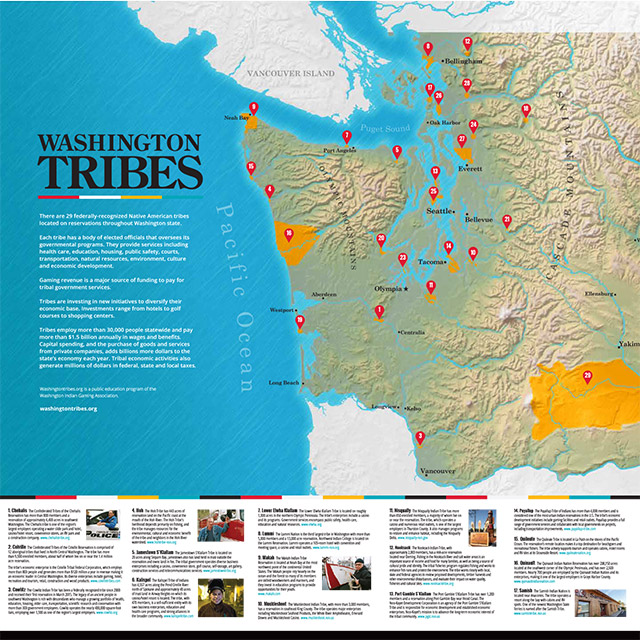

  • The Tribes of Washington State Map

    Learn about the 29 federally recognized tribes in Washington, their locations, and key information about each nation’s government, enterprises and cultural programs.

  • Washington Indian Tribes Today

    This newspaper-style classroom publication highlights how tribal governments across Washington state are preserving culture, enriching people, sustaining the environment and building community.

Additional Resources

Subscribe To Our Newsletter

Get updates on events and resources delivered to your inbox.

This field is for validation purposes and should be left unchanged.
Name(Required)

Frequently Asked Questions (FAQs)

Where can I learn more about individual tribes in Washington?2026-05-19T15:26:28-07:00

To learn more about individual tribes, visit the Tribes of Washington State Map, which includes all 29 federally recognized tribes in Washington along with links to each tribe’s official website. For specific questions, visitors are encouraged to contact individual tribal governments directly.

How can I stay informed about Washington Tribes?2026-05-19T15:27:20-07:00

Visitors can follow the Washington Tribes Blog and subscribe to the Washington Tribes Newsletter for updates, new reports and educational content about tribal governments and their work across the state.

What information is available in the Economic & Community Benefits of Tribes in Washington?2026-05-19T15:27:28-07:00

The Executive Summary and Full Report provide data and analysis on the economic contributions of Washington’s tribal governments including employment, wages, tax contributions and community investments across the state.

Go to Top