Washington’s tribal governments are making investments to help tribal citizens and the broader community.
Safe communities, excellent schools, decent jobs, clean air and water, good health and reliable roads and transportation—these are the things hoped for by every Washingtonian. We want our kids to have more opportunities than were given to us and we value a culture where neighbors help neighbors.
Preserving Culture
Tribes ensure Native American arts, culture and tradition thrive.
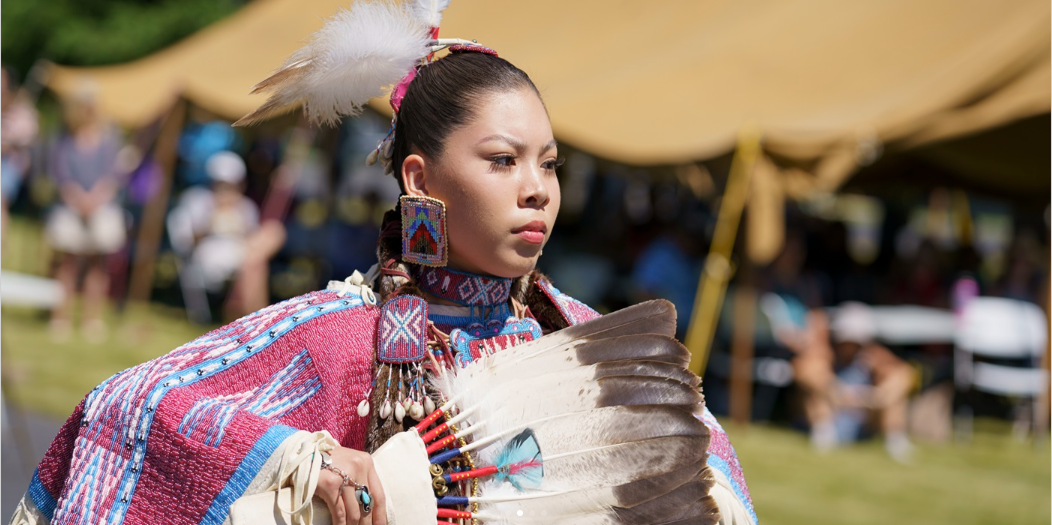
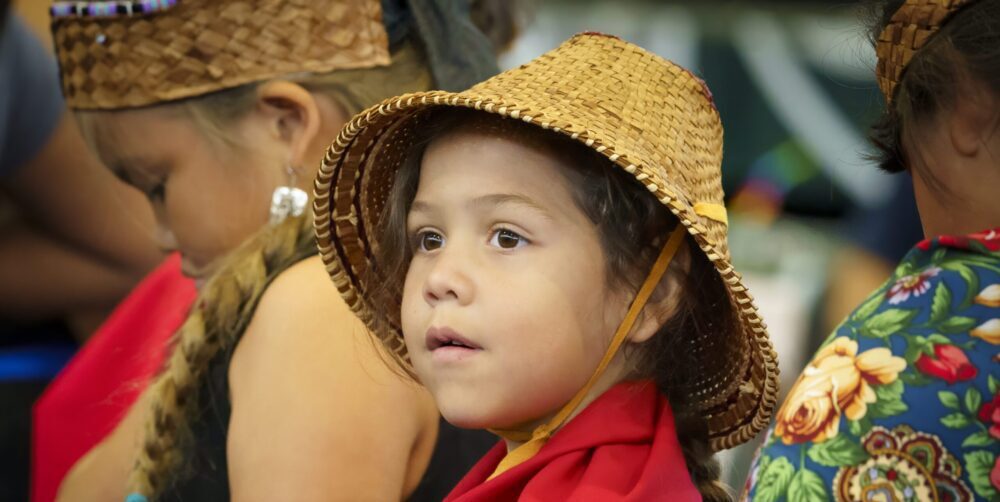
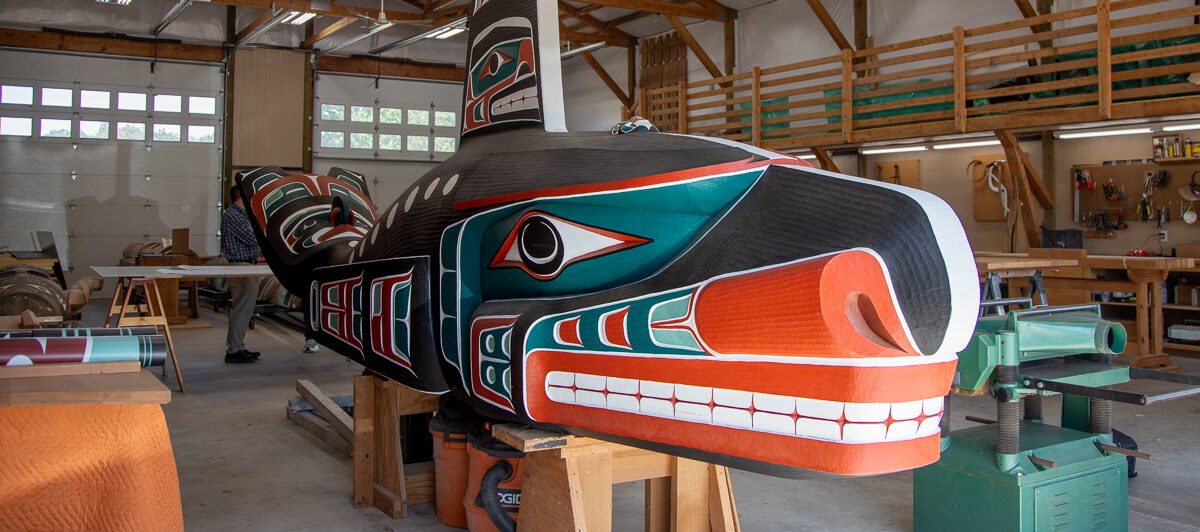
Thriving tribal communities, arts and culture are critically important to Washington’s tribes. Native American culture has flourished in our region for thousands of years. By investing in tribal community-building organizations, museums, art and cultural centers, school programs, song and dance, language, carving and the annual Canoe Journey, Washington’s tribes are working to ensure native culture continues to be an integral part of our regional identity, for Indians and non-Indians alike.


Case Study
Canoe Journey
Beginning in 1989 as the Paddle to Seattle, Canoe Journey is an annual celebration of tribal heritage and culture. Each year, canoe families from across the Pacific Northwest travel on ancestral waterways as they have since time immemorial, departing from their home territories and visiting other tribal nations along the way to the final host nation. Different tribal nations host each year, often welcoming more than 100 canoes and thousands of people for traditional ceremonies and celebrations.

Case Study
Kalispel Tribe of Indians: Tribal Language Program
At the beginning of the millennium, with only a handful of Tribal elders who could speak fluent Salish, the Kalispel Tribe of Indians was in danger of losing their native language. In response, the Tribe developed the Kalispel Language Program to reclaim and preserve their Salish language and create a new generation of native language speakers. The program includes a curriculum that spans all age groups, learning materials like workbooks, songbooks, language software, and the Kalispel Language Immersion School for grades K-5. Salish is also taught to Junior High and High School students in the area. Learn more on the program’s website.
“Language is like water for their roots.”
Ted Moomaw, Colville’s Waterfalls Immersion School
Improving Lives
Tribal governments strengthen quality of life through investments in healthcare, education, housing and recovery services.
Washington’s tribal governments are making investments and charitable contributions that improve people’s lives and support neighboring local governments, especially in healthcare, education and responsible gambling.


Charitable giving
Tribal governments that operate Class III gaming facilities make contributions to support charitable organizations, local governments, smoking cessation and problem-gambling programs. Over the past decade, thousands of organizations—from school districts to local first responder agencies to food banks to performing arts organizations—have received millions from the tribes.
Case Study
Cowlitz Tribe of Indians: Charitable Giving
Revenue from Cowlitz’s business ventures support the Tribe’s broad-reaching charitable giving. In 2023, the Cowlitz Foundation donated $6.6 million to organizations in the state, including a $1 million donation to Lower Columbia College (LCC). The donation was made in support of LCC’s “Opportunity Can’t Wait” campaign, which will leverage public and private dollars to create a world-class skills center, ensure scholarships are fully accessible, and improve athletic facilities. “The Cowlitz Indian Tribe invests in education because we understand the value it brings to individuals and the community,” said Timi Marie Russin, Cowlitz Tribal Foundation manager. “We are honored to be a part of the mission and grateful for the partnership with Lower Columbia College.”
Health care
Tribes are building health clinics and supporting wellness activities for all members of the community–young and old, sick and well.
Case Study
Swinomish Indian Tribal Community: Providing Critical Community Services
Multiple deaths in the Skagit County region and the ongoing opioid epidemic motivated the Swinomish Indian Tribal Community to open its Didgwálič Wellness Center in 2017. Since then, the Center has become a national model for opioid addiction treatment and support. Didgwálič is open to all community members—Native and non-native alike. It provides around 500 clients with services ranging from mental health counseling to medication management. The Center strives to eliminate as many barriers as possible to accessing services, including offering childcare and transportation, and covering the cost of treatment for those who can’t afford it.


Education
Tribal governments are developing and operating early learning centers, schools, libraries and youth activity facilities throughout Washington. Most tribes also provide substantial financial support to college students.
Case Study
Lower Elwha Klallam Tribe Children’s House of Learning
The Lower Elwha Klallam Tribe’s Children’s House of Learning (HOL) provides comprehensive child develop and family support services to low-income children and their families in Port Angeles, WA. Programs—offered to native and non-native families alike—include childcare, education, health, nutrition, family goal setting, prenatal education and more. Additionally, through a partnership with Peninsula College, parents who participate in HOL programs can take elective classes—up to two credits per quarter—to work towards a higher education degree.
Responsible gambling
Tribes provide support services for problem gambling and have contributed tens of millions of dollars for a wide range of associated education, prevention, treatment and wellness programs.
Sustaining the Environment
Tribes restore and protect culturally and environmentally important lands and waters through stewardship and natural resource management.
Washington’s rich natural resources provide thousands of jobs for tribal members and non-tribal members alike. Our state’s Native American tribes are committed to making investments in smart natural resources management and environmental planning so that our culture and resources can be productive and protected for many generations to come.
Tribal natural resource and environmental planning programs play an important role in balancing the sustainable harvest of salmon, game, timber and other resources with environmental restoration and the protection of sensitive species and habitats. Tribes conduct activities across Washington to solve problems at the ecosystem level, including watershed planning, water quality programs, environmental education and assessments, salmon recovery and more.


Case Study
Colville Wildfire Management
The Confederated Tribes of the Colville Reservation provides increasingly critical wildfire management services on and surrounding the Colville Reservation in Omak. Approximately 60 seasonal and non-seasonal employees protect communities in the region. The tribes coordinate fire suppression with state and federal agencies such that most fires are suppressed within the first 24 hours. In addition, Colville Fire Management employs proactive measures like prescribed fires—planned and controlled fires that burn dead vegetation to reduce the risk of catastrophic wildfire.
Case Study
Lower Elwha Klallam Tribe: Bringing Back Eelgrass
Eelgrass plays a crucial role in marine ecosystems. It helps clean the water, provides habitat for fish, produces oxygen and protects coastlines. Healthy eelgrass beds also support salmon, crab and other natural and cultural resources. The Lower Elwha Klallam Tribe is replanting eelgrass in areas where it has declined due to pollution, development and other human activities. Through careful monitoring and adaptive management, the Tribe is restoring these essential underwater habitats and supporting a healthy marine environment.
Building Community
Tribal investments support local economies, infrastructure and critical community services across Washington.
Economic development: Hundreds of millions in gaming revenue is invested into non-gaming enterprises, such as hotels, restaurants, entertainment venues, tourist attractions, retail, forest products, fisheries, agriculture, ranching, real estate development, manufacturing, aquaculture and more.
Public safety: Tribes invest in public safety and emergency services to protect all citizens, property and natural resources. This includes funding for the police, courts, emergency medical response and fire departments.
Transportation/utilities: From road projects to public transit services to water treatment facilities, Washington tribes contribute funds to making our state’s infrastructure safe and effective.
Housing: Providing adequate housing, especially for low-income families and the elderly, is a priority for Washington’s tribes. Throughout the state, tribes are constructing new homes and apartments to meet this critical need.


Case Study
Shoalwater Bay Tribe: Tsunami Tower
Washington has dozens of coastal communities that are vulnerable to tsunamis, but until recently there were only two tsunami escape towers in the entire state. In 2021, the Shoalwater Bay Tribe partnered with Washington’s Emergency Management Division and FEMA Region 10 to construct the state’s third tsunami evacuation tower. The successful collaboration inspired the funding and construction of additional towers in the nearby towns of Ocean Shores and Westport.
Case Study
Makah Housing
In 2024, the Makah Tribe began a new project to address immediate housing needs on its reservation while also creating a model for affordable housing and economic stability in the broader community. Using wood from its own land, the tribe will partner with a Port Angeles manufacturer to create a new model of kit-assembled homes. The manufacturer will train tribal members to assemble the homes on site on the tribe’s reservation in Neah Bay, addressing immediate housing needs in the tribal community and creating jobs. Timothy J. Greene Sr., Makah Tribe Chairman, said, “Through this partnership, we are…advancing affordable housing initiatives that not only meet the immediate needs of tribal members but also foster long-term growth and stability for the community.”
Frequently Asked Questions (FAQs)